
Spilling red wine on your clothes can feel like a disaster, especially when the stain dries before you notice it. Unlike fresh spills that can often be rinsed away quickly, dried red wine stains penetrate deep into fabric fibers, making them much more difficult to remove.
However, dried stains are not necessarily permanent. With the right techniques and cleaning solutions, you can often restore clothing to its original condition. Whether the stain is on cotton, denim, polyester, wool, or delicate fabrics, understanding how wine stains interact with textiles makes removal much easier.
This guide explains how to get red wine out of clothes after it dries, including step-by-step stain removal methods, effective household solutions, fabric-specific tips, and professional cleaning strategies.
How can you get red wine out of clothes?
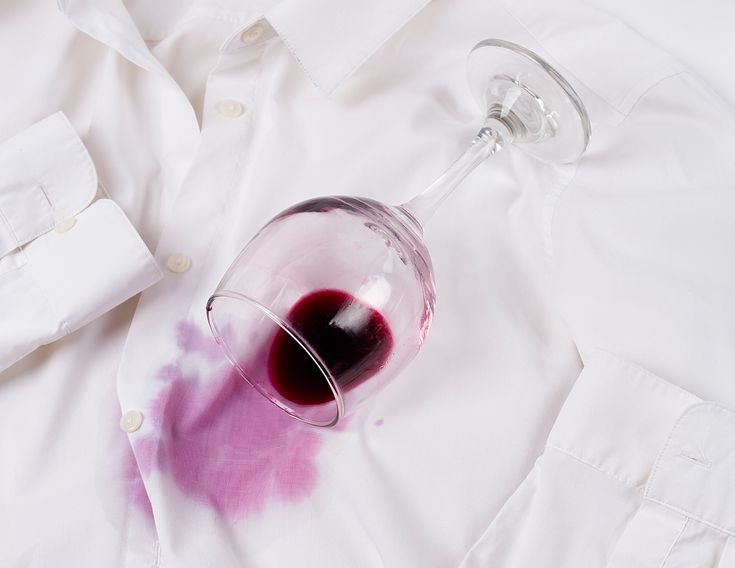
Red wine stains become stubborn because of their chemical composition. Wine contains compounds that strongly bond with fabric fibers once they dry.
The Key Components That Cause Staining
Tannins
Tannins are natural plant compounds found in grape skins. They attach to fabric fibers and cause dark stains.
Chromogens
Chromogens are pigments that give red wine its deep purple color. These pigments penetrate fabrics and bind to fibers.
Acids and Sugars
Wine contains organic acids and sugars that allow the pigments to seep deeper into textiles.
Once wine dries, these compounds oxidize and bond with fibers, which is why dried wine stains require stronger treatments than fresh spills.
Can You Remove Red Wine Stains After They Dry?
Yes, dried red wine stains can usually be removed by rehydrating the stain and applying stain-breaking agents such as detergent, baking soda, vinegar, or hydrogen peroxide. The process may require several treatments depending on the age of the stain and the type of fabric.
7 Elegant Reasons Swiss Coffee Paint Never Goes Out of Style
Step-by-Step Method: How to get red wine out of clothes
Before trying advanced stain removal techniques, start with a basic cleaning process that works for most fabrics.
Step 1: Rehydrate the Stain
The first step is softening the dried wine stain so the pigments loosen from the fibers.
How to Do It
- Place the stained fabric under cold running water.
- Let water flow through the back side of the stain.
- Continue rinsing for several minutes.
Running water through the back of the stain pushes pigment particles out of the fabric instead of deeper into it.
7 Stunning Reasons Portola Paints Transform Modern Homes
Step 2: Apply Liquid Laundry Detergent
After rehydrating the stain, apply detergent.
- Place a small amount of liquid laundry detergent directly on the stain.
- Gently rub the fabric together or use a soft brush.
- Allow the detergent to sit for 5–10 minutes.
The detergent helps break down oils, pigments, and tannins embedded in the fibers.
Step 3: Soak the Fabric
For stubborn stains, soaking the garment improves results.
Soaking Solution
- 1 gallon of cold water
- 1 tablespoon laundry detergent
Let the clothing soak for 30 minutes to one hour before washing.
Step 4: Wash in Cold Water
Place the garment in the washing machine and wash using cold water.
Avoid using hot water until the stain is fully removed. Heat can permanently set wine stains.
Powerful Household Remedies for Dried Wine Stains
If the stain remains after the first wash, try one of the following stain-removal techniques.
Baking Soda Stain Removal Method
Baking soda is a mild alkaline cleaner that helps break down stain pigments.
How to Use Baking Soda
- Mix baking soda with a small amount of water to create a thick paste.
- Spread the paste over the stain.
- Let it sit for 30–60 minutes.
- Rinse with cold water and wash normally.
Baking soda works especially well on cotton, linen, and polyester fabrics.
White Vinegar and Detergent Method
White vinegar neutralizes purple pigments in red wine.
Steps
- Pour white vinegar directly onto the stain.
- Add a small amount of laundry detergent.
- Gently rub the stain.
- Wash the garment normally.
The acidity of vinegar helps dissolve tannin stains while detergent removes residue.
Home Goods Decor Finds That Instantly Upgrade Your Space
Hydrogen Peroxide and Dish Soap Method
Hydrogen peroxide works as a mild bleaching agent.
How to Use
- Mix equal parts hydrogen peroxide and dish soap.
- Apply the mixture to the stain.
- Let it sit for 20–30 minutes.
- Rinse with cold water and wash.
⚠️ Always test hydrogen peroxide on a hidden area first to ensure it does not fade colored fabrics.
Salt and Hot Water Method
Salt absorbs pigments and can help loosen dried stains.
Steps
- Lay the stained fabric over a bowl.
- Sprinkle salt generously over the stain.
- Slowly pour hot water through the fabric.
This method works well on tablecloths, napkins, and durable fabrics.
Club Soda Method
Club soda contains carbonation that helps lift stain particles.
Instructions
- Pour club soda directly onto the stain.
- Blot with a clean cloth.
- Repeat until the stain lightens.
This technique works best when used alongside detergent treatment.
Milk Soak Method
Milk contains proteins that can break down wine pigments.
Steps
- Soak the stained area in milk for 30 minutes.
- Rinse with cold water.
- Wash the garment normally.
This traditional method works surprisingly well for cotton and linen fabrics.
Fabric-Specific Red Wine Stain Removal
Different fabrics respond differently to cleaning methods.
Cotton
Cotton is durable and can handle stronger cleaning treatments.
Recommended methods:
- Vinegar and detergent
- Baking soda paste
- Hydrogen peroxide for white fabrics
Cotton usually responds well to repeated washing.
Polyester
Polyester resists stains but can trap pigments.
Best removal methods:
- Liquid detergent treatment
- Vinegar rinse
- Oxygen-based bleach if needed
Polyester fabrics often require longer soaking times.
Silk
Silk is delicate and should be treated gently.
Recommended approach:
- Dab stain with cold water
- Use mild detergent
- Avoid strong chemicals
For valuable silk garments, professional dry cleaning is often safest.
Wool
Wool fibers are sensitive to heat and friction.
Recommended method:
- Cold water rinse
- Gentle detergent
- Light blotting
Avoid aggressive scrubbing, which can damage wool fibers.
Denim
Denim is durable and can tolerate stronger stain removal treatments.
Effective options include:
- Baking soda paste
- Hydrogen peroxide solution
- Commercial stain remover sprays
Professional Stain Removal Products
If home remedies fail, specialized products can help.
Popular stain removers include:
- Oxygen bleach cleaners
- Enzyme-based detergents
- Commercial wine stain sprays
These products work by breaking down tannins and organic pigments inside fabric fibers.
Common Mistakes That Make Wine Stains Worse
Avoiding these mistakes improves your chances of successful stain removal.
Using Hot Water Immediately
Heat locks stains into fabric fibers.
Scrubbing Too Hard
Aggressive rubbing spreads the stain and damages the fabric.
Drying Clothes Before the Stain Is Gone
Heat from dryers permanently sets stains.
Ignoring the Stain for Too Long
Older stains become increasingly difficult to remove.
How to Prevent Red Wine Stains in the Future
While accidents happen, a few precautions can reduce staining risks.
Use Napkins or Tablecloths
Protect clothing during meals.
Treat Stains Immediately
Fresh stains are easier to remove.
Carry Portable Stain Removers
Stain remover pens can prevent stains from setting.
Why Some Red Wine Stains Become Permanent
Occasionally, stains remain even after multiple treatments.
Possible reasons include:
- Fabric dye reacting with wine pigments
- Heat exposure before cleaning
- Long-term oxidation of tannins
In these situations, professional cleaning services may still reduce the stain.
Future Trends in Stain Removal Technology
Laundry science continues to improve.
Emerging innovations include:
- Enzyme detergents that target tannin stains
- Eco-friendly oxygen bleach solutions
- Smart washing machines with stain detection
These technologies make removing difficult stains easier and safer for fabrics.
Conclusion
Removing dried red wine stains may seem difficult, but it is usually possible with the right approach. By rehydrating the stain, applying effective cleaning solutions, and avoiding heat, many garments can be restored successfully.
Methods such as baking soda paste, vinegar treatments, hydrogen peroxide mixtures, and enzyme detergents are especially effective at breaking down wine pigments.
With patience and proper stain removal techniques, even stubborn dried wine stains can often be eliminated.
Frequently Asked Questions
Can dried red wine stains be removed completely?
Yes, dried red wine stains can often be removed completely using methods such as detergent treatments, vinegar solutions, or hydrogen peroxide mixtures. The success rate depends on the fabric type and how long the stain has been present.
Does baking soda remove red wine stains?
Baking soda helps absorb and break down wine pigments. When mixed into a paste and applied to the stain, it can lift color particles from fabric fibers.
Can vinegar remove dried wine stains?
White vinegar helps neutralize the pigments responsible for red wine stains. When combined with detergent, vinegar can effectively loosen and remove dried stains from many fabrics.
Is hydrogen peroxide safe for removing wine stains?
Hydrogen peroxide works well on wine stains, especially on white fabrics. However, it can lighten colored fabrics, so it should always be tested on an inconspicuous area first.
Can red wine stains be removed after washing and drying?
Even if a wine stain has gone through the washer and dryer, it may still be removable. Rehydrating the stain and applying strong stain removal treatments can help break down the pigments.
Last updated 15/07/2026

Welcome to Urban Daily Times. My name is Malik Akmal, and I’m passionate about sharing practical home decor and home improvement ideas that help you create a better living space. With over 15 years of experience in home design, renovation trends, and product research, I focus on providing trustworthy advice that helps homeowners save money and choose the right solutions. Every product and recommendation featured on Urban Daily Times is carefully researched and reviewed to ensure you get honest, useful, and reliable information.


