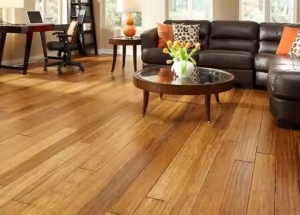
Bamboo flooring is gaining popularity in modern homes because it is eco-friendly, durable, and stylishly versatile. Unlike traditional hardwood, bamboo is a fast-growing grass that regenerates quickly, making it a sustainable choice for environmentally conscious homeowners. Its natural beauty suits modern interiors, and it offers cost-effective options compared to oak or maple. In this guide, we explore types of bamboo flooring, associated costs, expected lifespan, durability, and maintenance tips. You will also learn how to choose the right bamboo for each room, balance style with performance, and make an informed investment in flooring that lasts for decades.
1. What is Bamboo Flooring
1.1 Origin and Material Basics
Bamboo is technically a grass, not a hardwood, and can reach full maturity in just three to five years. To create flooring, bamboo stalks are harvested, stripped into fibers, and processed using heat, carbonization, or mechanical compression. These fibers are then bonded to form planks. Solid bamboo planks consist entirely of bamboo fibers, while engineered bamboo has a veneer layer over plywood for added stability. This versatility allows bamboo to mimic traditional hardwood flooring while offering superior strength in certain formats.
1.2 Why Choose Bamboo Flooring
Choosing bamboo flooring offers several advantages. It is renewable and environmentally friendly, requiring minimal pesticides or fertilizers. It provides a sleek, modern look suitable for a variety of interior designs. Compared to hardwood or laminate, bamboo is often more affordable, harder in strand-woven forms, and resists wear and scratches effectively. These qualities make it a practical, stylish, and sustainable flooring solution for contemporary homes.
2. Types of Bamboo Flooring
2.1 By Construction
Bamboo flooring is available as solid planks or engineered planks. Solid bamboo is traditional, durable, and can be refinished multiple times, but it is sensitive to moisture. Engineered bamboo features a thin bamboo veneer over plywood, offering better resistance to humidity and temperature changes. This makes engineered bamboo suitable for basements, kitchens, and bathrooms, while solid bamboo works well in living areas and bedrooms.
2.2 By Strand or Strip Type
Bamboo comes in three main strand types. Horizontal bamboo shows natural nodes in wide boards, offering a textured, organic appearance. Vertical bamboo consists of narrow strips aligned side by side, creating a clean, minimalist look ideal for modern interiors. Strand-woven bamboo is compressed under extreme pressure, producing the hardest and most durable type, capable of withstanding heavy foot traffic, pets, and furniture movement without denting.
2.3 By Finish & Color
Finishes range from natural light tones to carbonized darker hues, achieved through heat treatment. Some bamboo floors are custom-stained or toned to match interior design themes. Lighter bamboo planks make smaller rooms feel spacious, while darker tones add warmth and depth to large living spaces.
2.4 Quality & Certification
Bamboo flooring quality is assessed using Janka hardness ratings, with strand-woven bamboo scoring higher than many hardwoods. For sustainability and indoor air safety, look for FSC-certified bamboo and low-VOC finishes. These certifications ensure responsible harvesting and safer indoor air quality.
2.5 Summary Table of Bamboo Flooring Types
| Type | Appearance | Durability | Best Use |
| Horizontal | Shows nodes, warm look | Moderate | Living rooms, bedrooms |
| Vertical | Narrow, clean lines | Moderate | Offices, modern interiors |
| Strand-woven | Dense, highly durable | High | High-traffic areas, kitchens |
| Engineered | Layered for stability | High | Moisture-prone rooms, basements |
3. Costs and Pricing
3.1 Material Costs
Material costs vary based on type and quality. Solid bamboo ranges from $3–$6 per square foot, engineered bamboo $4–$8, and strand-woven bamboo $5–$9. Factors such as plank width, finish, grade, and shipping location can influence prices significantly.
3.2 Installation Costs
Installation costs depend on whether you choose DIY or professional services. Professional installation typically costs $3–$7 per square foot, factoring in labor and tools. Additional expenses include subfloor preparation, underlay, and transition trims.
3.3 Extra Expenses
Extra costs may include acclimation, moisture barriers, and shipping or import fees. Bamboo should be acclimated for several days to prevent expansion or contraction post-installation. Moisture control is especially crucial in basements or kitchens.
3.4 Cost vs Lifespan
Bamboo flooring provides long-term value. While strand-woven bamboo costs more upfront, it lasts 20+ years, reducing the need for replacement. Solid or engineered bamboo may require refinishing over time, but the overall investment is cost-effective compared to hardwood replacements every 15–20 years.
3.5 Budget Tips
To save costs, consider locally sourced bamboo, slightly lower grades that maintain durability, and purchasing during off-season sales. Choosing engineered bamboo can also reduce long-term maintenance expenses, particularly in humid climates.
4. Durability and Performance
4.1 Hardness & Wear Resistance
Bamboo flooring is highly resilient. Strand-woven bamboo scores 6,000–7,000 on the Janka hardness scale, outperforming oak at 1,200 and maple at 1,450. Horizontal and vertical bamboo are softer but still provide acceptable wear resistance for low to moderate traffic areas.
4.2 Moisture & Humidity Reaction
Bamboo reacts to moisture and humidity, expanding or contracting with environmental changes. Engineered bamboo mitigates these issues and is ideal for bathrooms, kitchens, or basements. Solid bamboo should be avoided in highly humid spaces to prevent buckling or warping.
4.3 Scratch, Dent & Impact Resistance
Strand-woven bamboo resists scratches, dents, and heavy furniture impacts better than most hardwoods. Protective measures, such as rugs, furniture pads, and proper cleaning routines, help maintain its appearance.
4.4 Lifespan & Warranty
Good-quality bamboo lasts 15–25 years, with warranties covering manufacturing defects, finish wear, and limited warping. Always check warranty details and confirm coverage for high-traffic or moisture-prone rooms.
4.5 Common Issues & Prevention
Common problems include buckling, warping, fading, or finish wear. Prevention requires proper installation, humidity control, periodic maintenance, and prompt attention to spills or pet-related damage.
5. Maintenance and Care Tips
5.1 Daily and Weekly Cleaning
Sweep or vacuum bamboo floors regularly using soft attachments. Avoid wet mopping or steam cleaners, which can cause swelling and damage the finish. Use mild, bamboo-safe cleaning solutions for regular maintenance.
5.2 Preventative Measures
Place rugs at entrances, furniture pads under chairs and tables, and maintain indoor humidity between 40–60%. This prevents scratches, dents, and warping while extending the flooring lifespan.
5.3 Periodic Maintenance
Bamboo can be refinished or recoated every 5–10 years depending on wear. Spot repairs address minor dents or scratches. Strand-woven bamboo requires less frequent maintenance due to its durability.
5.4 Handling Spills & Stains
Clean spills immediately to prevent staining. For persistent stains, mild bamboo-safe cleaners or professional treatments restore surface appearance. Avoid harsh chemicals that can damage the finish.
5.5 Long-term Care
Watch for signs of major wear, discoloration, or warping. When damage is extensive, planks may need replacement or full refinishing to maintain structural integrity and aesthetic appeal.
6. Choosing the Right Bamboo Flooring
6.1 Room Suitability
High-traffic areas like living rooms or hallways benefit from strand-woven bamboo. Kitchens and bathrooms require engineered bamboo for moisture resistance. Consider climate and humidity when selecting the type of bamboo.
6.2 Aesthetic Considerations
Select plank width, color, and grain to match furniture, lighting, and overall interior design. Light bamboo makes spaces feel larger, while dark tones add warmth and sophistication.
6.3 Environmental and Health Factors
Opt for FSC-certified bamboo and low-VOC finishes to ensure sustainability and indoor air safety. Local sourcing also reduces environmental impact.
6.4 Installation Methods
Floating floors are easier for DIY installation and allow minor adjustments. Glue-down provides maximum stability, especially for moisture-prone rooms. Nail-down is traditional but usually requires professional expertise.
6.5 Vendor Questions
Ask about subfloor requirements, acclimation periods, warranty coverage, and maintenance instructions. Ensure installers have experience with bamboo to prevent long-term issues.
7. Frequently Asked Questions (FAQ)
1. Does bamboo scratch more than hardwood? Strand-woven bamboo is harder than most hardwoods, making it highly scratch-resistant.
2. Can bamboo be installed in basements or bathrooms? Engineered bamboo is recommended for moisture-prone areas to prevent warping.
3. Is bamboo flooring eco-friendly? Bamboo grows fast, is renewable, and requires minimal pesticides. FSC certification ensures sustainable sourcing.
4. How often should bamboo flooring be refinished? Every 5–10 years, depending on traffic and wear.
5. How do you fix warping or buckling planks? Remove moisture source, replace or re-acclimate affected planks, and maintain proper humidity.
Conclusion
Bamboo flooring is a sustainable, stylish, and durable option for modern homes. By understanding types, costs, durability, and maintenance, homeowners can choose flooring that fits their lifestyle and climate. Strand-woven bamboo works for high-traffic areas, while engineered bamboo suits moisture-prone rooms. Regular care, preventive measures, and timely maintenance ensure bamboo lasts decades. Matching the right bamboo type with your interior design, budget, and environmental priorities provides long-term satisfaction, making bamboo flooring a practical and elegant investment.
Frequently Asked Questions (FAQ)
1. Does bamboo scratch more than hardwood? Strand-woven bamboo is harder than most hardwoods, making it highly scratch-resistant.
2. Can bamboo be installed in basements or bathrooms? Engineered bamboo is recommended for moisture-prone areas to prevent warping.
3. Is bamboo flooring eco-friendly? Bamboo grows fast, is renewable, and requires minimal pesticides. FSC certification ensures sustainable sourcing.
4. How often should bamboo flooring be refinished? Every 5–10 years, depending on traffic and wear.
5. How do you fix warping or buckling planks? Remove moisture source, replace or re-acclimate affected planks, and maintain proper humidity.