
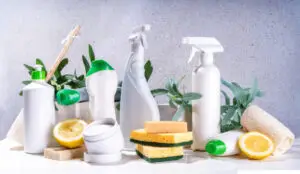
Using eco-friendly cleaning products can transform your home into a space that sparkles without harming the planet. Right from the first wipe you’ll feel the difference because these green alternatives combine safety with power. In a time when indoor air quality, chemical exposure and environmental impact matter more than ever, switching to sustainable cleaners makes sense. This article will show you what these products are, why they matter, how to spot genuine ones, and how you can make and use them easily at home.
1. What Are Eco-Friendly Cleaning Products?
Eco-friendly cleaning products are cleaners designed with the health of people and the planet in mind. They use natural, biodegradable, or plant-based ingredients instead of harsh chemicals. They often come in recyclable or refillable packaging and avoid heavy synthetic fragrances and unnecessary additives. They differ from conventional cleaners in that they aim to reduce chemical runoff, indoor air pollutants and plastic waste, while still doing the cleaning job.
Key characteristics include the use of surfactants derived from plants, minimal synthetic preservatives, and safe disposal. These products typically declare transparently what’s inside. They differ from many traditional cleaners that may rely on harsh solvents, high VOCs (volatile organic compounds), bleach or petrochemical-based surfactants. The difference is not just in what’s left out (toxins) but in how the product is designed from formula to packaging to lifecycle.
2. Why Traditional Cleaning Products Are a Problem
Traditional cleaning products pose multiple risks. On the environmental side, chemical residues enter waterways, packaging is often single-use plastic, and manufacturing may rely on nonrenewables. On the health side, many household cleaners emit VOCs which are linked to respiratory problems and other health issues. For example, research found that some common cleaners emitted hundreds of VOCs including hazardous ones.
Here are some facts:
| Problem | Explanation |
| Water pollution | Chemical runoff from conventional cleaners can harm aquatic life and ecosystems. |
| Indoor air quality | VOCs and strong solvents increase indoor pollution, which affects breathing, especially for children. |
| Waste & packaging | Many traditional cleaners use plastic bottles and fail to consider refill or reuse systems. |
This means when we use conventional cleaners we may clean our surfaces but compromise our health and the environment.
3. Benefits of Eco-Friendly Cleaning Products
Switching to eco-friendly cleaning products brings real advantages. For your indoor environment you get cleaner air with fewer harmful emissions. That means safer for kids, pets and anyone sensitive to chemical smells. For the planet you reduce plastic waste, chemical pollution and support sustainable manufacturing. For your wallet and household you might find long-term savings by using concentrates, refillables or more efficient formulas.
Some specific benefits include healthier indoor air, safer products for vulnerable family members, reduced plastic and chemical waste, and potentially lower overall cost when refills or concentrates are used. Studies show that using greener products improves indoor air quality and reduces health-related productivity losses.
4. How to Identify True Eco-Friendly Products
Not every product labelled “green” or “eco” really meets strong standards. To identify true eco-friendly cleaning products you must understand trustworthy eco-labels and certifications and know what to look out for in ingredient lists. Certifications such as United States Environmental Protection Agency (EPA) Safer Choice, Green Seal, EcoLogo or USDA Certified Biobased are meaningful. The EPA explicitly warns against vague claims such as “eco safe” or “green” without backing.
Here are red flags and key ingredients:
Red flags: claims like “all natural” without evidence, proprietary “green” formulas without full disclosure, packaging that looks sustainable but uses hidden plastic, no certification or third-party verification.
What to look for: short ingredient lists, surfactants from renewable sources, no phosphates or chlorine bleach, minimal synthetic fragrance, packaging with refill or recycled materials.
5. Top Eco-Friendly Cleaning Products (2025 Edition)
In this section we highlight types of cleaning products and describe what to look for in each. While I am not listing brand names with full reviews here, these are the categories you should pay attention to in 2025:
– Multipurpose cleaners: a general spray for surfaces that uses plant-based surfactants.
– Dish soaps: formulas that clean dishes without leaving harmful residues and in packaging that reduces plastic.
– Laundry detergents: concentrates or pellets with minimal packaging and biodegradable ingredients.
– Bathroom and kitchen sprays: targeted cleaners for tough spaces but with sustainable credentials.
– Floor and glass cleaners: formulas that clean effectively yet avoid heavy solvents and microplastics.
When choosing any of these, verify that they carry recognized certifications or have transparent ingredient disclosure.
6. DIY Eco-Friendly Cleaning Solutions
Making cleaning solutions at home is practical and cheap. Using basic pantry items like vinegar, baking soda, lemon and castile soap you can create powerful eco-friendly cleaners. For example:
All-purpose cleaner: Mix one part castile soap, ten parts water, and a few drops of essential oil for scent.
Glass cleaner: Use one cup vinegar, one cup water and a drop of dish soap in a spray bottle.
Deodorizing spray: Use baking soda dissolved in warm water, add a few drops of lemon oil and put into a spray.
Cost comparison: these DIY options often cost a fraction of store-bought “green” cleaners and you avoid excess packaging and unclear ingredients. Over a year the savings can add up significantly.
7. Eco-Friendly Cleaning Tools
The cleaning product is only part of the equation. Eco-friendly tools matter too. Reusable microfiber cloths, biodegradable sponges, compostable scrub brushes, and refillable spray bottles are all part of a sustainable routine. When you clean and maintain them properly—washing cloths, composting scrub brushes at end of life—you reduce waste and make your home cleaner and greener.
For example, instead of using dozens of single-use wipes, you use one microfiber cloth that you wash and reuse many times. Over time that means far less waste and less cost.
8. Common Myths About Green Cleaning
There are several myths around eco-friendly cleaning products and routines. One myth is “eco-friendly means less effective.” In truth, many plant-based formulas now match or exceed the cleaning power of conventional ones when used correctly. Consumers report that once they switch they don’t feel a loss in effectiveness.
Another myth is “It’s too expensive.” While some premium green brands cost more, DIY solutions and bulk refill systems can save money in the long run. Also, as market demand grows the prices are dropping. A third myth is “Natural ingredients can’t disinfect.” While some do require different use instructions (longer dwell time), there are eco-friendly disinfectants certified to standards. The key is correct usage rather than blind trust.
9. How to Transition to Eco-Friendly Cleaning Step-by-Step
Transitioning gradually is smart. Start by auditing what you currently use: write down what cleaning products you have and their ingredients. Then replace one item at a time rather than everything at once. For example, begin with your all-purpose spray, then upgrade dish soap, then laundry detergent.
Create a dedicated cleaning station with your sustainable supplies — maybe a caddy with the eco-friendly cleaners, microfiber cloths, and reusable tools. Teach your family or housemates about the new routine: tell them why you switched, how to use each product, how to store refills and why packaging matters. Over time this becomes the new normal.
10. Impact Beyond Cleaning
When you switch to eco-friendly cleaning products you’re doing more than tidying surfaces: you’re supporting global sustainability. Small choices add up. For example, using refillable bottles reduces plastic production. Choosing biodegradable ingredients reduces environmental load. Supporting brands that commit to sustainable supply chains and zero-waste packaging drives change in market behaviour.
Your home becomes a micro-example of sustainable living. And your choices ripple out: you influence friends, you reduce demand for harmful chemicals, and you align your household with broader environmental goals.
Conclusion
Switching to eco-friendly cleaning products is a smart, practical and rewarding decision for your home, health and the planet. By choosing sustainable formulas, verifying certifications, making some DIY solutions and using reusable tools, you turn cleaning into a positive act. Start small but stay consistent. Make your home sparkle — without harming the planet.
FAQ
| Question | Answer |
| Are eco-friendly cleaning products less powerful? | Not necessarily. Many green products are as effective as conventional ones when used correctly. |
| Is it much more costly to switch? | It can cost a little more upfront, but savings from refills, DIY options and less waste can offset that. |
| How do I know a cleaner is truly eco-friendly? | Look for recognized seals (like EPA Safer Choice) and honest ingredient listings; avoid vague “green” claims. |
| Can natural cleaners disinfect? | Yes, but you may need to follow instructions (soak time, correct dilution) since the chemistry differs from harsh chemicals. |
| How do I dispose of old cleaning bottles safely? | Rinse as needed and recycle or reuse. Consider switching to refill systems or concentrates to avoid more bottles. |
Thank you for reading this guide to eco-friendly cleaning products. By making smarter choices you support a home that’s cleaner, greener and healthier.




One thought on “Eco-Friendly Cleaning Products: The Smart Way to Keep Your Home Clean and Green”