
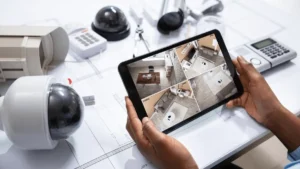
How To Choose Home Security Solutions That Actually Work When Home Alone is about keeping yourself truly safe when you live alone. Feeling safe is not the same as being safe. Many people rely on weak locks, fancy-looking cameras, or loud alarms that do not really protect them. Being alone changes risk completely. You cannot depend on neighbors, friends, or even family for immediate help. This guide will show you how to avoid wasting money on security products that fail and help you pick solutions that actually work. You will learn how to evaluate your risks, choose the right devices, and place them effectively so your home is secure when you are alone.
1. Start With Your Real Risk Profile Home Alone
Not all homes face the same risks. Apartments and houses have very different security needs. A ground floor apartment is more vulnerable than a top-floor one. Houses with multiple entry points need more careful planning. Your personal schedule also matters. Daytime alone is different from nighttime alone. Short absences are less risky than overnight isolation. Evaluating your home and your habits first ensures your security setup fits your real life. One setup does not fit every home.
For example, a person living alone in a high-rise may focus on smart locks and surveillance cameras. A house with a backyard may require motion-activated lights and reinforced doors. Creating a risk profile table helps you prioritize:
| Home Type | Risk Level | Key Security Focus | Notes |
| Ground floor apt | High | Locks, cameras | Easy access for intruders |
| Top floor apt | Medium | Cameras, alarms | Fewer entry points |
| Single house | High | Lights, sensors, locks | Multiple entrances and windows |
2. Understand the Core Types of Home Security Solutions Home Alone
Physical security is the first layer. Strong door locks and window reinforcements are often overlooked but essential. Motion-activated exterior lighting deters criminals before they enter.
Digital security includes cameras, alarms, and monitoring systems. Cameras can record locally or in the cloud. Cloud storage is convenient but depends on Wi-Fi, which can fail. Alarms can alert you via phone or connect to professional monitoring services. Combining physical and digital solutions provides the strongest protection.
3. How To Choose the Right Locks Home Alone
Locks are the most overlooked part of home security. Deadbolts are stronger than standard locks. Smart locks are convenient but not always more secure. Look for ANSI grading, which rates lock strength. Many people buy smart locks without understanding their limitations. Common mistakes include installing locks that are easy to bypass or forgetting to change default codes. Investing in good locks is always worth it.
4. How To Choose Security Cameras That Are Useful Home Alone
Security cameras should do more than look pretty. Indoor cameras can monitor entrances, while outdoor cameras protect exterior points. Field of view matters. Cameras that show walls or trees are useless if the intruder is hidden. Night vision should work in real darkness. Two-way audio can help you speak to visitors or warn intruders, but some systems exaggerate its usefulness. Choosing the right camera placement is as important as choosing the camera itself.
| Camera Type | Best Placement | Notes |
| Indoor | Entry points | Watch doors and hallways |
| Outdoor | Main entrances | Motion-activated, wide angle |
| Doorbell Camera | Front door | Two-way audio for visitors |
5. How To Choose an Alarm System You’ll Actually Use Home Alone
Alarms can be loud or silent. A loud alarm may scare intruders but annoy neighbors. Silent alarms alert you or a monitoring service quietly. Self-monitoring is cheaper but requires quick action. Professional monitoring is costlier but more reliable. False alarms are common; placement of sensors can reduce them. Cellular backup ensures alarms work even if Wi-Fi or electricity fails. Choose a system you will consistently use and maintain.
6. Smart Home Security: Helpful or Overcomplicated? Home Alone
Smart systems can be helpful but sometimes add unnecessary complexity. Automation like scheduled lights or alerts can increase safety but may fail during power outages or internet disruptions. Backup plans such as battery-powered devices or offline alerts are essential. Know when smart devices improve security and when they simply make your setup more confusing.
7. Budget vs. Protection Home Alone
Some devices are worth paying more for. Locks, cameras with strong night vision, and professional monitoring can save lives. Other items, like fancy apps or aesthetic gadgets, may not improve safety. Monthly fees for monitoring or cloud storage should be compared against upfront costs. A long-term view helps you avoid overspending on trendy but weak solutions.
| Security Item | Budget Option | Premium Option | Cost Notes |
| Locks | Deadbolt | Smart lock (ANSI A) | Smart locks cost more but add control |
| Cameras | Basic Wi-Fi | HD night vision with cloud | Premium ensures better evidence |
| Alarm System | Self-monitoring | Professional service | Monthly fee adds reliability |
8. Placement Strategy Home Alone
Security is only as good as installation. Entry points are the most targeted areas. Cameras should capture faces clearly, not walls. Alarm sensors should avoid false triggers from pets or drafts. Small placement mistakes can render expensive devices useless. Planning camera angles, motion sensor locations, and locks together ensures maximum protection.
9. Privacy, Data, and Legal Considerations
Security systems can create privacy risks. Cameras in private spaces can violate laws. Audio recording often requires consent. Protecting footage from hacks is critical. Use encrypted devices and strong passwords. Being alone makes it more important to control who has access to your data.
10. Real Scenarios: Choosing the Right Setup Based on Lifestyle Home Alone
A single person in an apartment benefits from smart locks and cameras. Working from home alone may require indoor cameras and alarms. Traveling frequently requires cloud storage and professional monitoring. Nighttime isolation needs motion sensors and reliable lighting. Security should match your daily routine, not just your imagination.
11. Red Flags: Security Products That Look Good but Fail Home Alone
Over-marketed gadgets often fail in real situations. Fake deterrents like dummy cameras or decorative alarms may mislead you. Systems dependent solely on the internet stop working if Wi-Fi fails. Choosing reliable, tested devices is critical. Always read reviews and check for certifications.
12. Final Checklist: Choosing the Right Home Security Solution Home Alone
Start with strong locks. Add cameras and alarms strategically. Evaluate smart devices carefully. Budget for both upfront and ongoing costs. Prioritize must-have features over extras. Installation and placement matter as much as product quality. Use a checklist to avoid missing key steps and protect yourself effectively.
Conclusion
How To Choose Home Security Solutions That Actually Work When You’re Alone is about simplicity and preparation. Strong locks, well-placed cameras, and reliable alarms provide confidence. Overcomplicating your system can reduce safety. Audit your home today, understand your risks, and choose the devices that actually protect you. True security comes from careful planning, not gadgets alone.
FAQs
- What is the most important security device for someone living alone?
Strong locks and a reliable alarm system are the most crucial devices for solo residents. - Are smart locks always better than traditional locks?
Not always. They are convenient but require Wi-Fi and can fail. High-quality deadbolts are often stronger. - How many cameras do I need at home alone?
Focus on main entry points. Typically 3–5 cameras cover doors, hallways, and key outdoor areas. - Should I pay for professional monitoring?
Professional monitoring adds reliability, especially if you cannot respond to alarms immediately. - Can motion-activated lights prevent burglaries?
Yes. They deter intruders before they enter, especially in yards or near entrances.





One thought on “How To Choose Home Security Solutions That Actually Work When Home Alone”