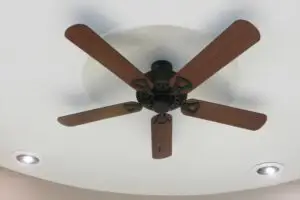
Modern ceiling fans have come a long way from the plain, rattling fans that only moved hot air around. Today, they’re sleek, smart, and efficient — designed not only to cool your home but also to complement your décor. These fans now serve as a statement of modern design and comfort, combining form and function in one.
In this guide, you’ll learn everything about modern ceiling fans, from what makes them unique and how to choose the right one, to maintenance, cost, and the latest 2025 trends. Whether you’re upgrading a living room, bedroom, or office, this article will help you pick a fan that fits both your style and your space.
1. What Defines a Modern Ceiling Fan
A modern ceiling fan stands out through its minimalist design and superior engineering. Unlike traditional fans, it’s crafted with sleek finishes, aerodynamic blades, and smart controls that offer both elegance and convenience. The materials used—such as brushed nickel, matte black metal, natural wood, or composite blades—add durability and beauty.
These fans also integrate smart home technology, letting you control them with voice assistants like Alexa or Google Home. A modern fan is no longer just a cooling device; it’s an essential part of interior design, blending into contemporary spaces effortlessly.
| Feature | Traditional Fan | Modern Ceiling Fan |
| Design | Heavy, ornate | Sleek, minimal |
| Controls | Pull chain | Smart remote or app |
| Material | Basic metal | Wood, matte metal |
| Efficiency | Standard | Energy-efficient DC motor |
2. Key Features to Focus On
When shopping for modern ceiling fans, there are several key features that define their performance and comfort. First, the motor type matters. DC motors are smaller, quieter, and more energy-efficient than traditional AC motors. They consume up to 70% less energy while providing powerful airflow.
The blade design also affects performance. Fans with three to five blades and a proper blade pitch (12–15 degrees) move air more effectively without creating excess noise. Many modern fans also come with integrated LED lighting that offers adjustable brightness and color temperature, enhancing the mood of your room.
Smart connectivity allows users to control speed, direction, and lighting from an app. Some models even feature reversible functions for year-round comfort—cooling in summer and circulating warm air in winter.
| Feature | Purpose | Benefit |
| DC Motor | Efficiency | Quiet, energy-saving |
| Blade Pitch | Airflow control | Smooth, consistent breeze |
| LED Lighting | Ambiance | Dimmable, long-lasting |
| Smart Control | Convenience | Voice/app command |
3. Choosing the Right Size and Placement
Getting the right ceiling fan size ensures both comfort and efficiency. A fan that’s too small won’t cool properly, while one that’s too large can overpower the space. The blade span should match the room size for optimal airflow.
For example, a small bedroom (under 100 sq ft) should have a fan with a 36–44 inch span. Medium rooms (100–250 sq ft) perform best with 48–54 inches, while large rooms (250+ sq ft) require 56–72 inch fans. The ideal mounting height is about 8–9 feet from the floor for safe and efficient airflow.
| Room Size | Blade Span | Ideal Mounting Height |
| Up to 100 sq ft | 36–44 inches | 7–8 ft |
| 100–250 sq ft | 48–54 inches | 8–9 ft |
| 250+ sq ft | 56–72 inches | 9+ ft |
4. Matching Style and Décor
A modern ceiling fan isn’t just functional—it’s a style statement. Choosing the right finish and shape can completely transform your room. Matte black fans pair perfectly with industrial or minimalist interiors, while wooden finishes bring warmth to Scandinavian or boho spaces.
If your home follows a clean, white palette, opt for a white or brushed nickel fan for a seamless look. For urban or mid-century homes, metal blades with bold shapes make a stunning contrast. A fan should complement your room’s theme while maintaining balance between elegance and efficiency.
5. Energy Efficiency and Cost Savings
One of the biggest benefits of modern ceiling fans is their energy efficiency. Fans with DC motors and aerodynamic blades can cut energy use by up to 60%. Many models carry the Energy Star certification, which ensures they meet strict efficiency standards.
Compared to running air conditioning all day, ceiling fans offer huge savings. For instance, an average air conditioner consumes about 3,000 watts per hour, while a ceiling fan uses only 50–75 watts. Over a month, that difference can save you more than $25 on electricity bills.
| Appliance | Power Usage (Watts) | Monthly Cost (Average Use) |
| Air Conditioner | 3,000 | $60–$120 |
| Traditional Fan | 90–120 | $10–$15 |
| Modern Ceiling Fan (DC Motor) | 50–75 | $5–$10 |
6. Installation and Maintenance
Installing a modern ceiling fan can be a simple DIY project if you follow the instructions carefully. However, for heavy or smart models, it’s best to hire a professional to ensure proper wiring and balance. Always switch off power before installation for safety.
Maintenance is straightforward. Dust the blades regularly to maintain balance and airflow. If your fan wobbles or makes noise, check for uneven blade alignment or loose screws. Lubricate moving parts once a year to keep it running smoothly. For remote or smart fans, ensure batteries and connectivity are working correctly.
7. Price and Brand Comparison
There’s a modern ceiling fan for every budget. Entry-level fans cost around $100–$250 and come with basic designs and remote functions. Mid-range fans ($250–$600) add features like smart controls, LED lighting, and designer finishes. Premium models above $600 often include hybrid technology, sensors, or built-in air purifiers.
Popular and trusted brands include Hunter, Haiku, Minka-Aire, and Big Ass Fans. When buying online, always check motor warranties, customer reviews, and return policies. A longer warranty often indicates better build quality and reliability.
8. Modern Ceiling Fan Trends for 2025
The world of modern ceiling fans keeps evolving. The 2025 trend is all about smart integration and sustainable design. Fans now feature app-based control, motion sensors, and adaptive airflow settings.
Designers are also experimenting with ultra-thin blades, hidden lighting, and eco-friendly materials like bamboo and recycled composites. Some high-end models even include built-in Bluetooth speakers or air purification systems. The focus is clear—comfort, technology, and sustainability all in one elegant package.
Conclusion
Modern ceiling fans redefine what comfort looks like. They combine beauty, function, and energy efficiency in one sleek design. Whether you want smart controls, silent operation, or a stylish centerpiece, there’s a fan for every room and personality.
Before buying, take time to evaluate your room’s size, décor, and airflow needs. A well-chosen fan doesn’t just cool your space—it enhances your home’s overall look. Remember, modern comfort starts from above.
FAQs
1. Are modern ceiling fans more efficient than old ones?
Yes. They use advanced DC motors that consume up to 70% less energy than traditional AC fans.
2. Can modern ceiling fans be controlled by smartphones?
Absolutely. Many models connect through Wi-Fi or Bluetooth and work with Alexa or Google Home.
3. Do modern fans come with built-in lighting?
Yes, most include LED lighting with dimming and color options.
4. What size modern ceiling fan is best for a large living room?
For rooms over 250 sq ft, choose fans between 56–72 inches in blade span for ideal airflow.
5. How long do modern ceiling fans last?
With regular maintenance, most high-quality modern ceiling fans last 10–15 years or longer.