
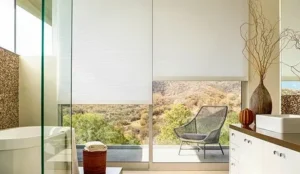
Modern window treatments are not just decorative elements. They play a vital role in controlling light, privacy, and energy efficiency. Choosing the right blinds, shades, or drapes can transform any room, making it more stylish, functional, and comfortable. In this guide, you will discover the best modern window treatments for every space. From smart blinds to eco-friendly fabrics, this article will help you understand the latest trends, practical options, and essential tips for selecting the perfect window coverings.
1. What Makes a Window Treatment “Modern”?
Modern window treatments are defined by clean lines, innovative materials, and smart functionality. Smart homes now use motorized blinds controlled via apps, allowing for effortless adjustments and automation. Eco-conscious homeowners prefer bamboo, organic cotton, and recycled fabrics, combining sustainability with aesthetic appeal. Minimalist designs focus on simple shapes and textures, like layered fabrics or subtle patterns, creating visual depth without clutter. Energy efficiency is another hallmark. Cellular shades and insulated drapes help maintain indoor temperatures, reducing utility bills while enhancing comfort.
2. Types of Modern Window Treatments
2.1 Blinds
Blinds are classic yet modern when updated with technology and materials. Motorized blinds offer convenience and safety, especially for high or hard-to-reach windows. Venetian blinds remain popular for adjustable light control. Modern faux-wood blinds provide a contemporary look while being moisture-resistant and budget-friendly. These blinds work well in kitchens, bathrooms, and living spaces where both style and functionality matter.
2.2 Shades
Shades offer a sleek and minimalist appearance. Roller shades are simple and versatile, available in light-filtering or blackout options. Cellular or honeycomb shades provide insulation and reduce energy costs, coming in a variety of colors and textures. Roman shades add elegance with soft folds, while woven wood and natural shades offer a tactile, eco-friendly touch. Choosing the right shade depends on room function, desired light levels, and style preferences.
2.3 Drapes & Curtains
Drapes enhance aesthetics while offering practical benefits. Sheer curtains diffuse sunlight but maintain privacy. Layered drapery allows homeowners to combine sheer and heavier fabrics, giving flexibility for light control and insulation. Floor-to-ceiling curtains visually elevate ceilings and create a dramatic effect. Minimalist cornices and valances provide subtle finishing touches without overpowering the room.
2.4 High-Tech & Alternative Options
High-tech options like smart glass or switchable glass let you control privacy and light at the touch of a button. Dramatic modern drapery, such as long, full curtains, can make a bold statement in large windows or living areas. These alternatives are ideal for luxury homes or spaces emphasizing design innovation.
3. Modern Window Treatment Trends (2025)
Modern trends focus on sustainability, technology, and texture. Natural materials like bamboo and linen are replacing synthetic fabrics. Homeowners are increasingly adopting smart automation, including app-controlled blinds and voice integration. Layering textures creates depth and interest in a room, while bold geometric patterns are gaining popularity for accent windows. Earthy neutrals such as warm beige, clay, and muted greens are overtaking stark white for a cozy, modern feel.
4. How to Choose the Right Window Treatment
Selecting the right treatment begins with assessing your needs. Determine how much light control, privacy, and insulation you require. Consider your room’s style—minimalist, Japandi, or formal—and match treatments accordingly. Accurate measurement is critical, including deciding between inside-mount or outside-mount installations and whether ceiling tracks are necessary. Evaluate maintenance requirements, opting for fabrics that are easy to clean. Finally, weigh your budget. Custom treatments are stylish but costly, while off-the-shelf solutions are affordable but may have hidden expenses.
5. Common Mistakes to Avoid
Many homeowners make mistakes when selecting window treatments. Over-layering blinds, shades, and drapes in small spaces can feel cluttered. Choosing incorrect scale or length can make a room look unbalanced. Mismatched hardware or drapery style detracts from the modern aesthetic. Over-automation without practical use adds unnecessary cost. Skipping swatches or samples can result in fabric or color mismatches. Careful planning ensures treatments enhance a room rather than overwhelm it.
6. Real-Life Examples & Case Studies
Minimalist living rooms often combine motorized roller shades with sheer curtains to achieve a clean look with adjustable light control. Japandi-style bedrooms mix woven bamboo shades with linen drapes, creating a serene, natural feel. Smart homes integrate automated cellular shades synced to sunrise and sunset, optimizing energy use and comfort. Each example demonstrates how the right combination of style, material, and technology can elevate a space while fulfilling practical needs.
7. Maintenance & Care Tips
Proper care extends the life of your window treatments. Dust blinds and shades regularly to prevent buildup. Fabric drapes often require dry cleaning or gentle hand washing. UV-protective coatings help prevent fading, especially in sunny rooms. Motorized blinds need periodic battery replacement and system checks to maintain smooth operation. Following manufacturer guidelines ensures your investment remains functional and visually appealing for years.
8. Cost Guide & Value
Window treatments vary widely in cost. Budget options like basic roller shades start around $30 per window. Mid-tier solutions, including cellular shades or layered drapery, range from $100–$500. Premium treatments, such as motorized blinds or custom drapes, can exceed $1,000. Insulating shades reduce heating and cooling costs, offering long-term savings. Beyond energy efficiency, quality window treatments improve home aesthetics and can increase property value.
Table: Cost and Benefits of Modern Window Treatments
| Type | Average Cost | Benefits | Ideal Rooms |
| Roller Shades | $30–$150 | Minimalist, light control | Living rooms, bedrooms |
| Cellular Shades | $100–$500 | Insulation, energy saving | Bedrooms, offices |
| Motorized Blinds | $300–$1,200+ | Convenience, automation | All rooms |
| Linen Drapes | $150–$700 | Texture, style, privacy | Living, dining rooms |
| Bamboo Shades | $80–$400 | Eco-friendly, natural look | Bedrooms, studies |
9. Future of Modern Window Treatments
The future blends style, sustainability, and technology. Smart glass and hybrid fabrics allow instant privacy and light adjustment. Eco-smart materials, including recycled textiles and energy-efficient fabrics, will dominate. Integration with home automation continues to expand, with treatments syncing to lighting, climate, and voice control. Texture, color, and geometric patterns will evolve to reflect modern aesthetics while balancing environmental consciousness and convenience.
Table: Comparison of Modern Window Treatments
| Feature | Blinds | Shades | Drapes | Smart Glass |
| Light Control | High | Medium | Medium | Adjustable |
| Privacy | Medium | High | High | High |
| Energy Efficiency | Medium | High | High | Medium |
| Automation | Optional | Optional | Optional | Yes |
| Cost | $30–$1,200 | $30–$500 | $150–$700 | $1,000+ |
Conclusion
Modern window treatments combine style, functionality, and innovation. From blinds and shades to drapes and high-tech options, choosing the right material and design can transform your home. Consider your needs, room style, and budget before making a choice. Proper measurement, maintenance, and awareness of trends ensure your window coverings remain practical and stylish. Investing in modern treatments is not just about beauty; it’s about creating comfort, energy efficiency, and a space that reflects your personal style.
Frequently Asked Questions
1. Are motorized blinds worth the investment?
Yes. They offer convenience, safety, and can integrate with smart home systems, making daily adjustments effortless.
2. What is the difference between blinds and shades?
Blinds have adjustable slats for light control. Shades are fabric panels that can be raised or lowered.
3. Can modern drapes improve energy efficiency?
Yes. Insulated or layered drapes reduce heat loss and keep rooms cooler in summer.
4. How do I maintain bamboo or woven shades?
Dust regularly with a soft cloth. Avoid moisture and direct sunlight to prevent fading or warping.
5. Are smart glass windows a practical option for homes?
Yes. They offer instant privacy and light control, but they are higher in cost and require professional installation.





This looks like a very useful guide. Modern window treatments improve style, light control, privacy, and energy efficiency…Great
Thanks