

Tiny house living is more than a trend it is a practical approach to designing efficient, clutter-free, and comfortable spaces within a small footprint. Whether you live in a compact home by choice or necessity, smart interior design can significantly improve functionality and comfort.
This guide explains how to optimize layout, storage, lighting, materials, and decor to make tiny house living both stylish and practical. Each section provides actionable advice tailored to small-scale interiors.
What Is Tiny House Living?
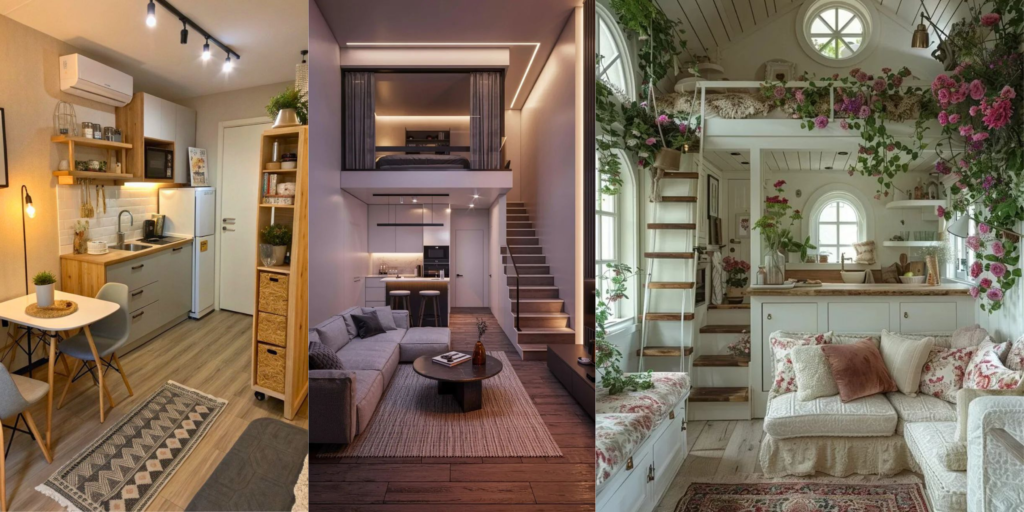
Tiny house living refers to residing in a home typically under 400 square feet. The focus is on:
- Efficient space planning
- Minimal clutter
- Multi-functional furniture
- Smart storage solutions
- Intentional design choices
Unlike traditional homes, every design decision in a tiny house must serve both functional and aesthetic purposes.
Core Design Principles for Tiny House Living
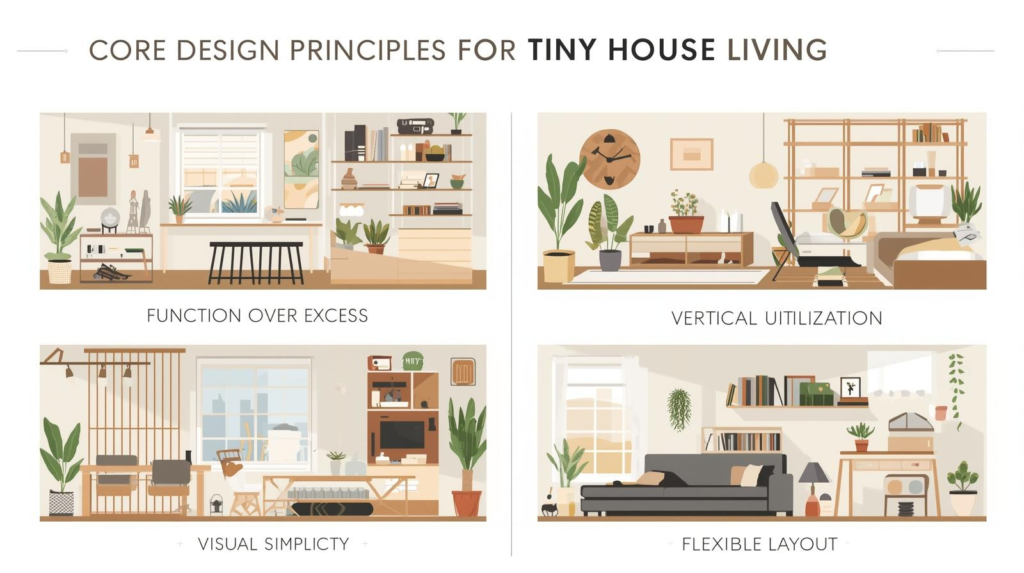
Before decorating, understand these foundational principles:
1. Function Over Excess
Every item should serve a purpose. Avoid decorative pieces that do not add functionality.
2. Visual Simplicity
Clean lines and neutral palettes reduce visual clutter and make spaces feel larger.
3. Vertical Utilization
Walls are valuable. Shelving, hooks, and tall cabinets help maximize storage.
4. Flexible Layout
Spaces should adapt to different activities throughout the day.
Smart Layout Planning for Tiny House Living
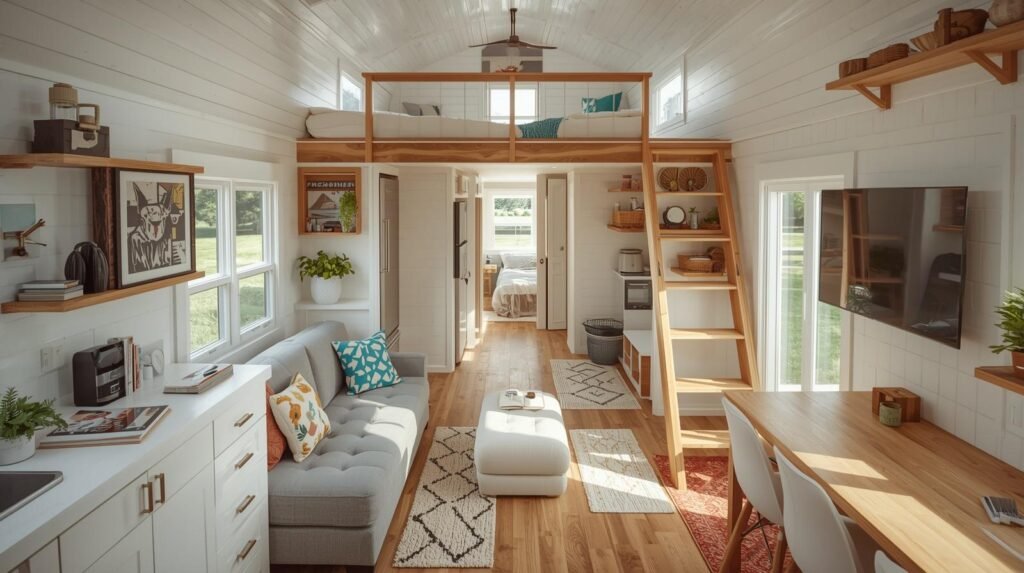
Layout is the backbone of successful tiny house living. A poorly planned layout can make even stylish decor feel cramped.
Open-Concept Planning
Removing unnecessary partitions increases airflow and natural light.
- Combine kitchen and living area
- Use rugs to define zones
- Install sliding or pocket doors instead of hinged doors
Loft Utilization
Sleeping lofts free up ground-level space. Use:
- Built-in stairs with storage drawers
- Guardrails with integrated shelving
- Low-profile bedding to maintain headroom
Multi-Functional Furniture for Small Spaces
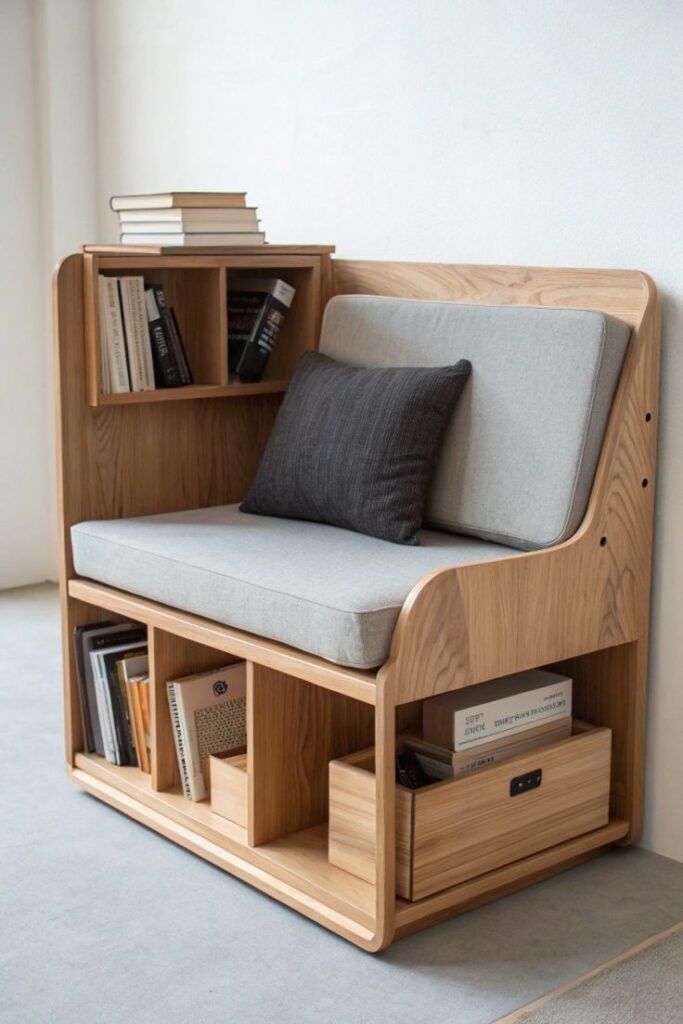
Furniture must perform double or triple duty in tiny homes.
Recommended Pieces:
- Sofa beds
- Fold-down dining tables
- Storage ottomans
- Wall-mounted desks
- Expandable dining tables
Example Setup:
A wall-mounted drop-leaf table can serve as:
- Workspace during the day
- Dining table at night
- Folded storage when unused
This approach is central to efficient tiny house living.
Storage Solutions That Maximize Every Inch
Storage is the biggest challenge in tiny homes. The key is concealed and vertical organization.
Vertical Storage Ideas
- Floor-to-ceiling shelving
- Over-door organizers
- Pegboard walls
- Hanging kitchen rails
Hidden Storage Options
- Under-bed drawers
- Staircase compartments
- Built-in bench seating with lids
- Toe-kick kitchen drawers
Color Schemes That Enhance Space Perception
Color directly affects how spacious a tiny home feels.
Recommended Colors for Tiny House Living
- Soft white
- Warm beige
- Light gray
- Pale sage
- Dusty blue
These shades reflect light and visually expand walls.
Accent Strategy
Use darker tones sparingly:
- Accent wall
- Throw pillows
- Area rugs
- Cabinet interiors
Avoid heavy dark paint on all walls, as it can reduce perceived space.
Lighting Design for Tiny House Living
Lighting is critical in small interiors.
Layered Lighting Strategy
Use three levels:
- Ambient lighting – Ceiling fixtures or recessed lighting
- Task lighting – Under-cabinet lights, desk lamps
- Accent lighting – LED strips, wall sconces
Space-Enhancing Lighting Tips
- Install mirrors opposite windows
- Use warm white LED bulbs
- Choose wall-mounted fixtures instead of floor lamps
Proper lighting improves both comfort and functionality.
Room-by-Room Tiny House Living Ideas
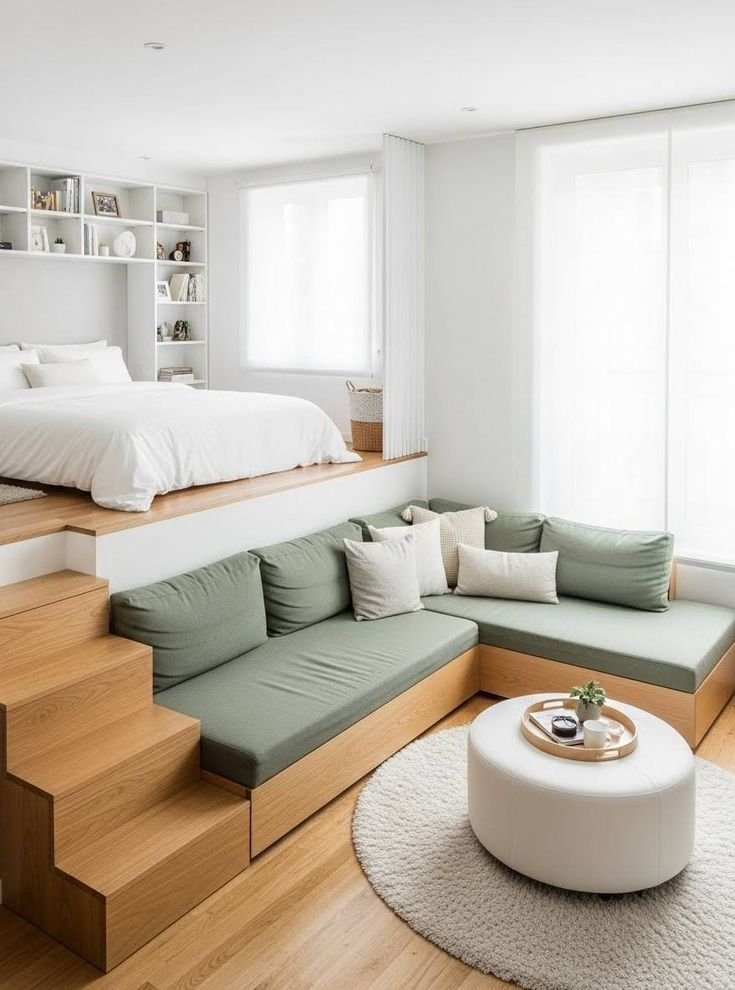
Living Area Design
Keep seating compact and low-profile.
- Use slim sofas
- Avoid bulky armchairs
- Choose nesting coffee tables
- Mount TV on wall
Add texture through:
- Woven rugs
- Linen cushions
- Lightweight curtains
Tiny Kitchen Optimization
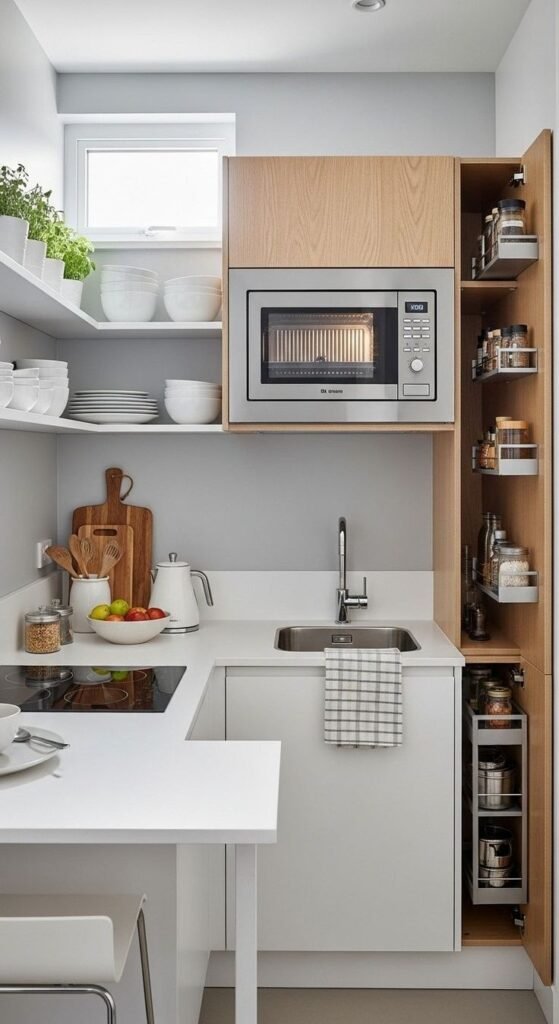
Tiny kitchens must prioritize efficiency.
Layout Tips:
- Use vertical cabinets
- Install magnetic knife strips
- Add pull-out pantry shelves
- Choose compact appliances
Material Recommendations:
- Quartz countertops (durable and low maintenance)
- Light wood cabinetry
- Glossy backsplash tiles to reflect light
Small Bedroom or Loft Styling
Comfort should not be compromised.
- Use wall-mounted bedside shelves
- Install reading sconces
- Choose built-in wardrobes
- Use under-bed storage bins
Opt for breathable fabrics like cotton or linen to maintain airflow.
Compact Bathroom Solutions
Tiny bathrooms require smart fixtures.
- Wall-hung toilets
- Corner sinks
- Glass shower panels instead of curtains
- Recessed shelving in shower walls
Light-colored tiles prevent the room from feeling boxed in.
Flooring Options for Tiny Homes
Flooring impacts visual continuity.
| Flooring Type | Best For | Pros | Cons |
| Light Oak Vinyl | Budget homes | Affordable, durable | Less premium feel |
| Engineered Wood | Modern tiny homes | Warm look, durable | Higher cost |
| Polished Concrete | Industrial style | Easy maintenance | Hard underfoot |
| Large-Format Tiles | Bathrooms/kitchen | Reflect light | Cold surface |
Continuous flooring throughout the home improves visual flow.
Modern vs Traditional Tiny House Decor
| Feature | Modern Tiny House | Traditional Tiny House |
| Color Palette | Neutral & monochrome | Warm, earthy tones |
| Furniture | Sleek, minimal | Decorative, detailed |
| Storage | Hidden & built-in | Freestanding pieces |
| Materials | Metal, glass, engineered wood | Solid wood, textiles |
| Lighting | Recessed & LED | Pendant & table lamps |
Modern styles typically work better for tiny house living due to cleaner lines and minimal ornamentation.
Budget-Friendly Tiny House Living Ideas
You do not need a large budget to create a well-designed tiny home.
Affordable Upgrades:
- Peel-and-stick backsplash
- Floating shelves
- Multi-use IKEA furniture
- DIY wall-mounted desk
- Second-hand storage baskets
Cost-Saving Tips:
- Buy modular furniture
- Use paint instead of wallpaper
- Install open shelving instead of cabinets
Prioritize function before aesthetics.
Material Selection for Durability and Comfort
Material choice matters in small environments.
Recommended Materials:
- Plywood (cost-effective and flexible)
- Bamboo flooring (sustainable)
- Tempered glass (light-friendly)
- Matte finishes to reduce glare
Avoid overly heavy materials that dominate the visual space.
Seasonal Updates for Tiny House Living
Refreshing decor seasonally keeps the space feeling new without clutter.
Summer Adjustments
- Lightweight curtains
- Natural fiber rugs
- Light-toned throws
Winter Adjustments
- Layered blankets
- Warm lighting tones
- Textured cushions
Keep seasonal decor minimal and easy to store.
Space Optimization Tricks Designers Use
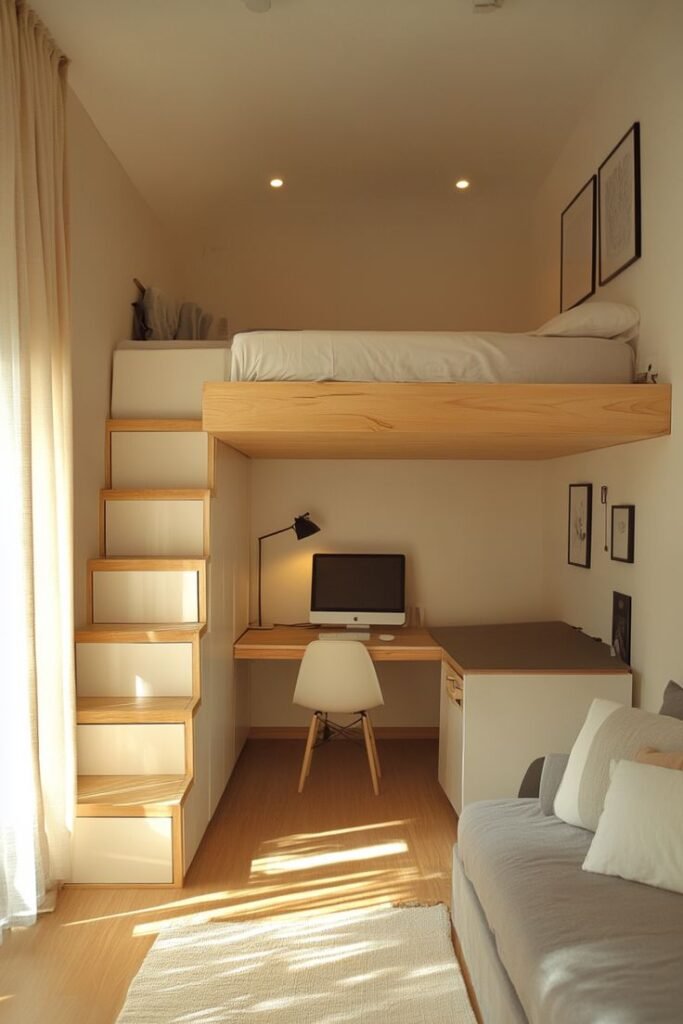
Professional designers rely on these techniques:
- Use mirrors to double visual space
- Install sliding barn doors
- Choose furniture with exposed legs
- Keep 30–40% negative space
Avoid over-decorating walls.
Decluttering Strategy for Tiny Homes
Decluttering is central to successful tiny house living.
Simple 5-Step Method:
- Remove unused items
- Categorize essentials
- Assign storage zones
- Label containers
- Maintain weekly review
Small spaces require consistent organization habits.
Outdoor Extension for Tiny Homes
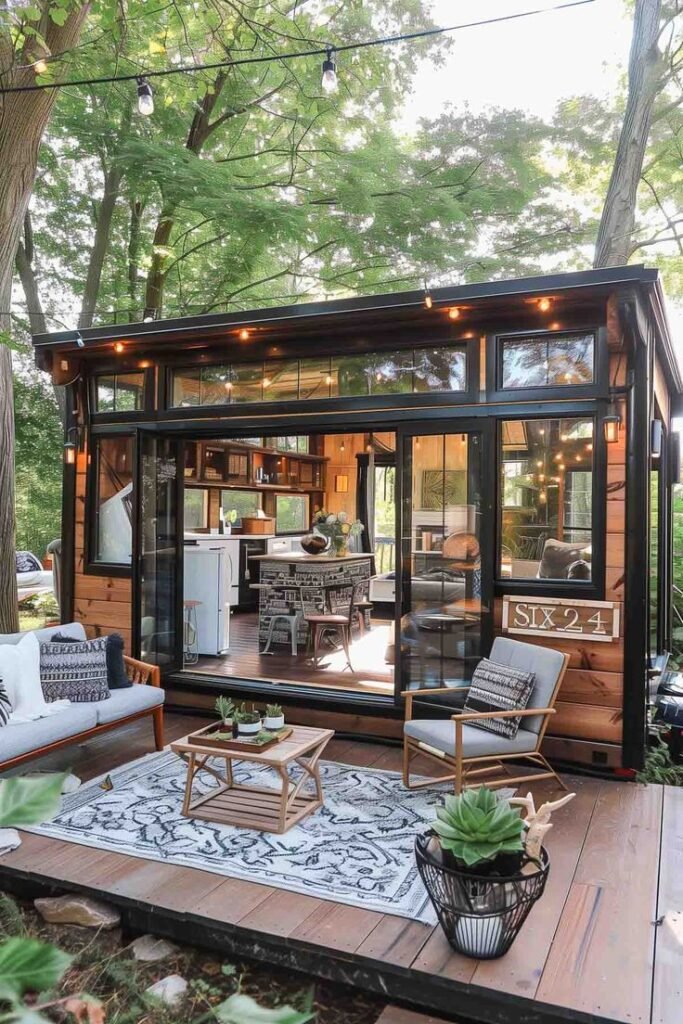
If possible, extend living space outdoors.
- Add folding patio furniture
- Install deck storage benches
- Use weather-resistant rugs
- Add vertical garden planters
This visually and functionally increases living area.
Conclusion
Tiny house living requires intentional design, efficient storage, and practical decor choices. By prioritizing multi-functional furniture, light colour schemes, vertical storage, and smart lighting, you can create a small home that feels open, organized, and comfortable.
With proper planning and thoughtful styling, tiny house living becomes a functional and visually appealing lifestyle that maximizes every square foot without sacrificing comfort.
FAQ: Tiny House Living
1. What are the main benefits of tiny house living?
Tiny house living reduces maintenance costs, encourages minimalism, and simplifies organization while maximizing space efficiency.
2. How do you maximize storage in tiny house living?
Use vertical shelving, under-bed storage, multi-functional furniture, and built-in cabinetry to utilize every available inch.
3. Is tiny house living comfortable for families?
It can be, provided layout planning includes private zones, convertible furniture, and effective storage systems.
4. What colours work best for tiny house living interiors?
Light neutrals like white, beige, and soft gray make spaces feel larger and brighter.
5. How do you decorate a tiny house without cluttering it?
Focus on minimal decor, choose dual-purpose items, and maintain open visual lines with simple styling.
6. Is modern decor better for tiny house living?
Modern decor often works better because of its clean lines, hidden storage, and neutral palettes.
Tiny House Planning & Design:
The Tiny Life – Tiny House Blog
Space-Saving Furniture Ideas:
Apartment Therapy – Small Space Solutions
Loft & Storage Ideas:
Houzz – Tiny House Interiors


