

Rust can quickly ruin the appearance and function of metal objects. From kitchen utensils and cookware to garden tools and household hardware, rust forms when iron reacts with moisture and oxygen over time. The good news is that you can clean off rust from metal surfaces using simple household ingredients and effective cleaning techniques.
Whether you’re restoring old tools, cleaning rust from cookware, or maintaining outdoor equipment, this guide explains how to clean off rust from metal, tools, and kitchen items safely and effectively.
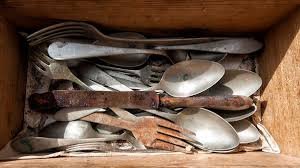
What Causes Rust on Metal?
Rust forms through a chemical reaction known as oxidation. When iron or steel comes into contact with oxygen and moisture, iron oxide begins to develop on the surface.
Common Causes of Rust
- Exposure to water or humidity
- Improper drying of metal surfaces
- Storage in damp environments
- Lack of protective coatings
- Outdoor weather exposure
Rust gradually weakens metal, so removing it early can prevent long-term damage.
How Do You Clean Off Rust?
Rust can be removed by breaking down the iron oxide layer using acidic solutions or mild abrasives. Common rust removal methods include vinegar soaking, baking soda paste, lemon and salt treatment, commercial rust removers, and scrubbing with steel wool.
Why Is My Room So Dusty? 7 Simple Reasons and Easy Fixes
Step-by-Step Method to Remove Rust from Metal
Before using specialized treatments, follow a simple cleaning process.
Step 1: Clean the Surface
Start by removing dirt and grease.
- Wash the metal object with warm water and dish soap.
- Dry the item with a clean cloth.
- Inspect the rusted area carefully.
This helps rust removal treatments work more effectively.
Step 2: Apply a Rust Removal Solution
Choose a rust removal method depending on the severity of rust and the type of metal.
Common solutions include:
- White vinegar
- Baking soda paste
- Lemon juice and salt
- Commercial rust remover
Apply the solution to the rusted area and allow it to sit for several minutes or hours depending on the method.
10 Powerful Kitchen Ductless Range Hoods for Homes
Step 3: Scrub the Rust Away
After the rust softens, scrub the surface.
Use tools such as:
- Soft brush
- Steel wool
- Scrub pad
- Aluminum foil
Gentle scrubbing helps remove loosened rust particles.
Step 4: Rinse and Dry
After removing rust:
- Rinse the item with clean water.
- Dry thoroughly with a cloth.
- Apply protective oil or coating if necessary.
Proper drying prevents rust from returning.
Best Household Methods to Clean Off Rust
Several inexpensive household ingredients can effectively remove rust.
Vinegar Rust Removal Method
White vinegar contains acetic acid that dissolves rust.
How to Use Vinegar
- Submerge the rusted item in white vinegar.
- Let it soak for 1–24 hours depending on rust severity.
- Scrub the rust using a brush or steel wool.
- Rinse and dry.
Vinegar works particularly well for small tools, screws, and kitchen utensils.
Baking Soda Rust Removal Method
Baking soda is mildly abrasive and helps lift rust from metal surfaces.
Steps
- Mix baking soda with water to form a thick paste.
- Apply the paste to rusted areas.
- Let it sit for 30–60 minutes.
- Scrub using a brush or sponge.
- Rinse and dry.
This method is ideal for light rust stains on kitchen items and appliances.
Lemon and Salt Rust Removal Method
The combination of citric acid and salt helps dissolve rust.
Steps
- Sprinkle salt over the rusted area.
- Squeeze fresh lemon juice over the salt.
- Allow the mixture to sit for 2–3 hours.
- Scrub the surface and rinse.
This natural method works well on kitchen knives and stainless steel surfaces.
Potato and Dish Soap Method
A surprising but effective rust remover involves potatoes.
Potatoes contain oxalic acid that breaks down rust.
Steps
- Cut a potato in half.
- Dip the cut side in baking soda or dish soap.
- Rub it over the rusted surface.
- Rinse and dry.
This technique works best for light rust on kitchen tools.
Commercial Rust Removers
For severe rust, commercial rust removal products may be necessary.
These products often contain stronger acids or chemical agents designed to dissolve iron oxide quickly.
Popular options include:
- Rust dissolving gels
- Spray rust removers
- Rust conversion coatings
Always follow product instructions and wear protective gloves.
How to Clean Rust from Tools
Tools often develop rust due to humidity or improper storage.
Best Method for Tools
- Soak tools in white vinegar overnight.
- Scrub rust with steel wool.
- Rinse and dry thoroughly.
- Apply light machine oil to prevent future rust.
Regular maintenance helps extend tool lifespan.
Removing Rust from Kitchen Items
Kitchen tools such as knives, pans, and utensils can develop rust if they remain wet.
Safe Cleaning Methods
- Baking soda paste
- Lemon and salt treatment
- Vinegar soak for small items
After cleaning, always dry thoroughly and store in a dry environment.
Cleaning Rust from Cast Iron Cookware
Cast iron requires special care.
Cast Iron Rust Removal Steps
- Scrub rust with steel wool.
- Wash lightly with warm water.
- Dry immediately.
- Re-season the pan using cooking oil.
Re-seasoning restores the protective coating.
Rust Removal for Outdoor Metal Furniture
Outdoor furniture is exposed to moisture and weather.
Cleaning Steps
- Brush away loose rust using a wire brush.
- Apply vinegar or rust remover.
- Scrub and rinse.
- Apply protective paint or sealant.
Protective coatings prevent rust from returning.
Preventing Rust from Returning
Once rust is removed, prevention is essential.
Effective Prevention Methods
- Store metal items in dry places
- Apply protective oils or coatings
- Use rust-resistant paints
- Dry items immediately after washing
Regular maintenance greatly reduces rust formation.
Common Mistakes When Removing Rust
Avoiding these mistakes ensures better results.
Using Excessive Force
Aggressive scrubbing can damage metal surfaces.
Ignoring Safety
Some rust removers contain strong chemicals.
Not Drying Properly
Moisture remaining on metal can restart rust formation.
Skipping Protective Coatings
Oil or sealant helps prevent new rust.
Tools That Help Remove Rust
The right tools make rust removal easier.
Helpful tools include:
- Steel wool
- Wire brushes
- Sandpaper
- Scrubbing pads
- Electric rust removal tools
Choose the tool depending on the rust severity and metal type.
Future Trends in Rust Prevention
Modern technology is improving rust prevention methods.
Rust Resistant Coatings
New coatings create stronger barriers against moisture.
Corrosion Resistant Alloys
Some metals are designed to resist oxidation.
Eco-Friendly Rust Removers
Plant-based cleaning solutions are becoming more popular.
These innovations make rust removal safer and more efficient.
Conclusion
Rust can damage metal surfaces, tools, and kitchen items if left untreated. Fortunately, simple household ingredients like vinegar, baking soda, lemon juice, and salt can effectively clean off rust.
By following proper cleaning techniques and applying preventative measures such as drying and protective coatings, you can keep metal objects rust-free for years.
Removing rust early not only improves appearance but also extends the lifespan of your tools and household items.
Frequently Asked Questions
What is the fastest way to clean off rust?
The fastest way to remove rust is by soaking the metal item in white vinegar for several hours and then scrubbing it with steel wool or a wire brush.
Does baking soda remove rust?
Yes, baking soda can remove light rust stains when mixed with water to form a paste and scrubbed onto the rusted surface.
Can lemon remove rust from metal?
Yes, lemon juice contains citric acid that dissolves rust. When combined with salt, it creates an effective natural rust removal solution.
Can rust damage metal permanently?
Yes, severe rust can weaken metal structures over time. Removing rust early helps prevent permanent damage.
Is vinegar safe for removing rust?
Vinegar is generally safe for most metals and works well because its acidity dissolves iron oxide.


