

An urban jungle is more than a design trend; it’s your escape from city chaos. Imagine your living room turning into a mini rainforest where every breath feels fresh. In this guide, you’ll learn what an urban jungle is, why it’s worth having, and how to create one that fits your home and lifestyle. Whether you live in a studio apartment or a small loft, you can grow your own peaceful green retreat.
1. What Is an Urban Jungle?
An urban jungle blends city living with the wild beauty of nature. It’s an interior style filled with lush plants, textures, and layers that breathe life into concrete walls. This trend started with the rise of biophilic design, a movement that connects people with nature to improve well-being. You’ll spot it everywhere—from trendy cafés to cozy apartments.
But an urban jungle isn’t just “lots of plants.” It’s about balance mixing heights, leaf textures, and light to create a living ecosystem indoors. Think of it as styling your space the way nature would organic, layered, and full of character.
2. Why Build an Urban Jungle? The Benefits
Creating an urban jungle isn’t just about looks. It’s about feeling better in your space. Studies show plants help reduce stress, improve mood, and boost focus. When life in the city gets overwhelming, your jungle becomes a sanctuary.
Physically, plants clean the air by absorbing toxins like formaldehyde and carbon dioxide. They balance humidity and even reduce noise. Plus, a room full of greenery adds a unique charm and freshness no artificial décor can match. Many offices now include plant-filled zones for employee wellness a clear sign that green is good for more than just aesthetics.
3. Assessing Your Space Before You Buy a Plant
Before you rush to buy plants, take a good look around. The size of your room, ceiling height, and light exposure all matter. If you have a sunny balcony, you can grow light-hungry species. But for darker corners, low-light plants like ZZ or snake plants thrive.
Urban apartments often have dry air due to air conditioning, so note humidity levels. Also, check how much time and budget you can dedicate. A lush jungle can be affordable if you plan it right and care consistently.
Table 1: Light and Plant Match
| Light Level | Ideal Plants | Care Notes |
| Low | Snake Plant, ZZ Plant | Low watering needs |
| Medium | Pothos, Philodendron | Great for hanging spaces |
| Bright | Monstera, Fiddle Leaf Fig | Needs regular watering and rotation |
4. Choosing the Right Plants and Green Elements
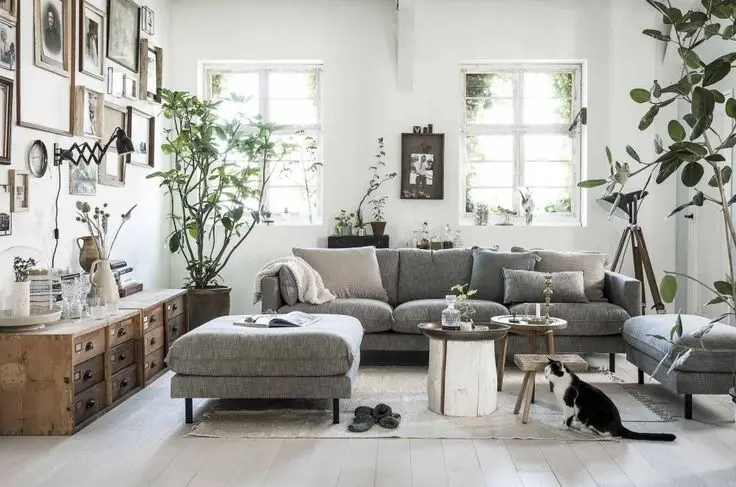
When building your urban jungle, mix plant types to add depth and variety. Combine tall plants like fiddle-leaf figs or rubber trees with mid-height ones such as calatheas or ferns. Add trailing plants like pothos or ivy to soften shelves and window sills.
Containers matter too. Use pots with proper drainage and mix materials, such as ceramic, concrete, or woven baskets. You can even bring in non-plant features like moss walls or mini water fountains for a full biophilic effect. Layering different textures creates a sense of lush abundance that’s soothing to the eye.
5. Designing the Urban Jungle Layout
Think of your jungle like a room within a room. Create zones a reading corner surrounded by palms, a dining nook with hanging vines, or a desk space with small succulents.
Use height wisely. Place tall plants near walls, mid-height ones near furniture, and smaller ones on tables or shelves. Maintain balance by leaving open areas to keep your space airy. If your lighting is uneven, rotate plants every few weeks to help them grow evenly.
Table 2: Sample Layout Example
| Space Type | Recommended Plants | Key Design Tip |
| Small Apartment | Pothos, ZZ Plant, Fern | Use shelves and hanging pots |
| Balcony | Rubber Tree, Palms | Add vertical garden wall |
| Office Desk | Cactus, Snake Plant | Keep small pots for minimal space |
6. Maintenance and Care Tips
A thriving urban jungle needs attention. Check soil moisture before watering—too much love can drown your plants. Clean leaves regularly to remove dust and let them breathe. Rotate plants for balanced growth and better light absorption.
Watch for signs of pests like sticky leaves or yellowing foliage. Use natural sprays if needed. City air can be dry, so mist leaves or use a humidifier during winter. Fertilize during growing seasons to keep them vibrant. Remember, consistency is the secret to keeping your indoor forest alive.
7. Common Mistakes and How to Avoid Them
Many beginners overcrowd their space. A jungle should feel lush, not messy. Give plants breathing room. Another mistake is ignoring natural light needs. A plant that thrives in the sun won’t survive in the shade.
Don’t wait until your plants look sad to care for them. Schedule watering and pruning. Think ahead, some plants outgrow their spots fast. Plan space for growth. And don’t forget, even experienced gardeners lose plants sometimes. Learn, adjust, and grow with them.
8. Budgeting and Shopping Smart
Building an urban jungle doesn’t mean emptying your wallet. Start small. Buy one statement plant and slowly expand. Compare prices; local nurseries often beat big stores. You can propagate from cuttings or swap with friends to grow your collection.
Be smart with pots, too. Repurpose jars, baskets, or ceramic bowls. Go for eco-friendly materials and local plants that adapt well to your climate. Investing in quality soil is always worth it—it’s the foundation of healthy greenery.
Table 3: Urban Jungle Cost Breakdown
| Expense Type | Estimated Cost | Frequency |
| Starter Plants | $30–$100 | One-time |
| Pots & Soil | $20–$60 | One-time |
| Maintenance | $10–$30 | Monthly |
9. Inspiration and Case Studies
Take a cue from small apartments turned into green heavens. One New York couple transformed their 400 sq. ft. space using mirrors, hanging pots, and layered greens. It feels twice as big now.
Offices are doing it too. A London workspace filled with ferns and peace lilies reported higher employee satisfaction and productivity. These real examples prove that a touch of nature can completely change how a space feels and functions.
10. Final Touches: Styling and Personalizing
Your urban jungle should reflect you. Add warm lights that highlight leaf textures at night. Match pots to your room’s color scheme or use baskets for a cozy vibe. Hang planters from macramé ropes or line up terracotta pots on your windowsill.
Rotate décor with the seasons—pumpkins in fall, fairy lights in winter, seashells in summer. Share your green haven online and inspire others. After all, every plant parent loves to show off their leafy pride.
Urban Jungle Interior Design: Bring Nature Into Your Living Space
Before you move to the conclusion, take a moment to refine your Urban Jungle concept and make it truly stand out. This design style isn’t just about adding a few plants. It’s about creating a lush, immersive environment that blends indoor plants, tropical home decor, and biophilic design into your everyday space. A well-crafted urban jungle interior uses green living room ideas, natural textures, and earthy color palettes to bring calm and freshness indoors.
For example, layering houseplant decor like monstera plants, snake plants, and hanging plants can instantly transform your room into a vibrant oasis. Combine that with wooden furniture, rattan decor, and boho interior style to enhance the organic feel. You can also elevate your indoor garden setup with vertical plant walls, planters and pots, and natural light optimization to help your greenery thrive.
However, balance is essential. Mixing modern urban jungle aesthetics with minimalist plant styling ensures your space looks curated, not cluttered. Add finishing touches like botanical wall art, eco-friendly decor, sustainable home design, and green home styling to complete the look. When done right, your Urban Jungle space becomes a refreshing sanctuary that reconnects you with nature while maintaining a stylish, contemporary vibe.
Conclusion
Building your urban jungle isn’t just home décor—it’s a lifestyle shift. You’ve learned how to assess your space, choose the right plants, and create a living, breathing oasis. Every plant you add makes your air cleaner and your mind calmer.
Start small, stay consistent, and watch your indoor forest thrive. Your urban jungle will soon become your favorite spot to unwind, recharge, and reconnect with nature.
FAQs
1. What plants are best for beginners?
Start with snake plants, pothos, or ZZ plants—they’re low-maintenance and forgiving.
2. How often should I water my plants?
It depends on the type, but most indoor plants prefer watering once the top inch of soil dries.
3. Can I grow an urban jungle in low light?
Yes, plants like peace lilies, ferns, and snake plants thrive in shady corners.
4. Do plants really improve indoor air?
Absolutely. NASA’s clean air study proved plants remove toxins and improve oxygen flow.
5. How do I stop pests in indoor plants?
Keep leaves clean, avoid overwatering, and use neem oil or soap sprays if pests appear.
Last updated 18/03/2026


One thought on “How to Create Your Own Urban Jungle: A Complete Guide”