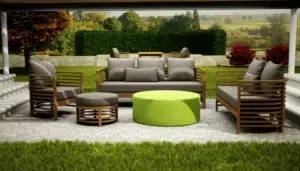
Choosing modern outdoor furniture that lasts in any climate is not just about style. The weather can quickly ruin cheap or poorly made pieces. Rain, sun, wind, and humidity all take a toll. Modern outdoor furniture made with durable materials outperforms traditional wooden or metal options, staying strong and stylish year after year. In this guide, you will learn how to select furniture that survives extreme heat, rain, coastal salt, and even windy patios. We will cover materials, fabrics, climate tips, maintenance, and even eco-friendly choices to help you make smart decisions for your outdoor space.
Key Factors That Define Long-Lasting Modern Outdoor Furniture
The first step is understanding what makes furniture last. Structural integrity is critical. Frames should be solid, joints well-constructed, and screws or bolts rust-resistant. Weather resistance matters most. Furniture exposed to sun, rain, and wind needs coatings, protective finishes, and strong materials. Material durability ensures pieces don’t crack, fade, or rot over time. Comfort is also essential, but it shouldn’t come at the cost of high maintenance. A chair that sinks or cushions that mold quickly will defeat the purpose.
Best Materials for Any Climate
Choosing the right material can make or break your investment. Modern materials are engineered to survive and even thrive in extreme conditions.
Aluminium
Aluminium is rust-proof, lightweight, and strong, making it perfect for humid or coastal areas. It won’t corrode, and it can be powder-coated in various colours to match your modern outdoor aesthetic. Aluminium furniture is also easy to move around without compromising stability.
Teak Wood
Teak wood contains natural oils that protect it from moisture and insects. Over time, it develops a silver-gray patina, which many homeowners find appealing. Teak can also be sealed to maintain its golden color. While it’s pricier, its durability makes it a long-term investment for any climate.
HDPE Wicker
High-Density Polyethylene (HDPE) wicker is UV-stable and won’t crack, peel, or fade. Unlike natural rattan, HDPE can withstand direct sunlight, rain, and humidity. It’s lightweight but strong, making it ideal for stylish yet practical outdoor seating.
Stainless Steel
Stainless steel is ideal for areas with high humidity or coastal salt. 304 stainless is standard for most furniture, while 316 stainless provides extra corrosion resistance. It’s strong, modern-looking, and easy to maintain.
Concrete and Fiber Cement
Concrete or fiber cement furniture is heavy and stable, perfect for windy outdoor spaces. These materials allow for sculptural, modern designs while withstanding harsh weather. They are low-maintenance and long-lasting if properly sealed.
Polypropylene and Performance Plastics
Polypropylene furniture can be molded into unique, modern shapes. It’s UV-resistant, impact-resistant, and lightweight, making it suitable for all climates. Performance plastics require minimal upkeep and can endure years of exposure.
Outdoor Fabrics That Survive Sun, Rain, and Heat
Sunbrella and Performance Textiles
Sunbrella fabrics resist fading from UV rays and protect against stains and mildew. These textiles are ideal for cushions and pillows, keeping furniture fresh and colorful even in the hottest sun.
Quick-Dry Foam
Quick-dry foam prevents mold and mildew buildup. It’s perfect for rainy climates where cushions are regularly exposed to moisture. Foam dries fast, reducing the risk of damage.
Removable vs Fixed Cushion Covers
Removable cushion covers are easier to clean and extend the furniture’s life. Fixed covers may save cost but can trap dirt and moisture, reducing longevity.
Choosing Furniture Based on Climate Needs
Hot and Sunny Regions
Opt for UV-proof fabrics and heat-resistant materials to prevent fading and cracking. Aluminum, HDPE wicker, and treated teak work well under strong sun.
Humid and Rainy Regions
Fast-dry cushions and mold-resistant materials like aluminium, HDPE, or stainless steel are essential. Avoid untreated wood or heavy fabrics that retain moisture.
Coastal Areas
Choose salt-resistant metals and corrosion-proof coatings. Stainless steel 316 and powder-coated aluminium resist salty air better than other metals.
Windy and Open Spaces
Heavy bases and low-profile designs reduce tipping risks. Concrete tables, fiber cement chairs, and modular seating with weighted pieces provide stability in strong winds.
Smart Furniture Types for Modern Outdoor Spaces
Modular Sectionals
Modular sectionals allow flexible layouts. They are easy to configure for entertaining or lounging and often use weather-resistant frames and fabrics.
Low-Slung Sofas and Loungers
Low-slung furniture adds a modern touch and improves wind resistance. Sofas and loungers close to the ground are less likely to topple in gusts while maintaining sleek silhouettes.
Dining Sets for All Climates
Slim, stackable chairs and weather-safe tabletops make dining sets practical and stylish. Materials like aluminum, teak, or HDPE ensure durability across seasons.
Accent Tables and Storage Pieces
Accent tables and storage solutions protect cushions and accessories. They provide functionality while keeping your modern outdoor furniture organized and long-lasting.
Measuring and Planning Your Space
Proper spacing is key for comfort and airflow. Leave room for walkways, ensure adequate seat depth, and balance size with wind exposure. Use tables and diagrams to map furniture placement and prevent overcrowding.
| Item | Recommended Space |
| Dining table | 36-48 inches around |
| Lounge chairs | 24-30 inches between |
| Pathways | 36 inches minimum |
Maintenance That Extends Lifespan
Seasonal Cleaning Guide
Simple cleaning with mild soap and water prevents dirt buildup. Avoid harsh chemicals that damage finishes.
Teak Oil vs Natural Aging
Teak can be oiled to maintain color or left to age naturally to silver-gray. Both methods are valid but require different care routines.
Using Covers the Right Way
Covers protect furniture but can trap moisture. Use breathable covers in humid areas and remove them during sunny days.
Off-Season Storage Tips
Store cushions in dry areas. Protect metal frames from frost and rain. Proper storage prolongs furniture life dramatically.
Budget Guide for Durable Outdoor Furniture
Entry-level outdoor furniture can cost $200-$500 per piece. Mid-range options are $500-$1,500, while premium designer furniture may exceed $2,000. Paying more is often justified by material durability, craftsmanship, and warranty coverage.
Sustainable and Eco-Friendly Options
Recycled HDPE furniture, FSC-certified wood, and low-VOC finishes provide modern style with environmental responsibility. Choosing eco-friendly options helps protect nature while giving your space a unique, contemporary look.
Final Buying Checklist
Before buying, check climate fit, material durability, comfort, warranty coverage, and replacement part availability. Testing cushions and frames in-store ensures long-term satisfaction.
How Modern Outdoor Furniture Transforms Your Exterior Living Space
Investing in Modern Outdoor Furniture is one of the best ways to elevate your patio, garden, or backyard into a stylish and functional outdoor living area that feels like an extension of your home. With sleek patio furniture designs, weather-resistant materials, and contemporary outdoor seating options, you can create a comfortable space perfect for relaxation and entertaining.
Popular choices like outdoor sectional sofas, minimalist patio chairs, luxury garden furniture, and durable outdoor dining sets combine aesthetics with long-lasting performance. Features such as powder-coated aluminum frames, teak wood furniture, rattan patio sets, and UV-resistant cushions ensure durability while maintaining a modern look.
Whether you’re designing a cozy balcony setup, a poolside lounge area, or a spacious backyard seating arrangement, elements like fire pit tables, outdoor coffee tables, pergola seating, and modular outdoor furniture provide flexibility and sophistication.
Ultimately, well-chosen Modern Outdoor Furniture enhances curb appeal, increases comfort, and creates an inviting outdoor oasis perfect for gatherings, relaxation, and year-round enjoyment.
Conclusion
Choosing modern outdoor furniture that lasts in any climate requires smart material selection, proper planning, and routine care. Aluminium, teak, HDPE, and stainless steel are proven winners for durability and style. Fabrics like Sunbrella and quick-dry foams ensure comfort in rain and sun. By considering climate, furniture type, and maintenance, you can enjoy beautiful outdoor spaces year-round without worry. Always invest in quality, plan your layout, and follow simple maintenance routines to keep your furniture looking new for years.
FAQs
1. How long does modern outdoor furniture last?
High-quality materials can last 10-20 years with proper care.
2. Is teak better than aluminium for all climates?
Teak is excellent for humid climates; aluminium performs better in coastal or rainy areas.
3. How do I protect furniture in winter?
Use breathable covers, store cushions indoors, and keep metal frames dry.
4. Can plastic furniture fade in the sun?
Performance plastics like HDPE are UV-resistant and maintain colour longer than standard plastics.
5. Are modular sectionals suitable for small patios?
Yes, they are flexible and can fit tight spaces while allowing multiple configurations.
Last updated 22/05/2026

Welcome to Urban Daily Times. My name is Malik Akmal, and I’m passionate about sharing practical home decor and home improvement ideas that help you create a better living space. With over 15 years of experience in home design, renovation trends, and product research, I focus on providing trustworthy advice that helps homeowners save money and choose the right solutions. Every product and recommendation featured on Urban Daily Times is carefully researched and reviewed to ensure you get honest, useful, and reliable information.


One thought on “How to Choose Modern Outdoor Furniture That Lasts in Any Climate”