
46 cleaning and organizing hacks refer to a curated collection of practical, low-cost strategies designed to help homeowners reduce mess, create storage systems, and maintain order in every room without hiring a professional organizer. Each hack targets a specific pain point, from overflowing junk drawers to chaotic mudrooms, offering a concrete action rather than vague advice.
Clutter rarely arrives all at once. It creeps in through unsorted mail, orphaned toys, and cabinets that never had a real system to begin with. What separates a genuinely organized home from a constantly “almost tidy” one isn’t willpower or a weekend of purging; it’s a handful of repeatable habits that quietly do the work in the background, day after day.
This roundup pulls together tried-and-tested solutions for kitchens, closets, offices, garages, and everywhere clutter tends to collect. Readers will find room-specific fixes, quick daily habits, and smarter storage setups that fit real routines rather than pristine, magazine-perfect households. Whether the goal is a calmer entryway or a clutter-free car, these 46 ideas offer a practical starting point for lasting change.
Designate a Spot for ‘Junk’
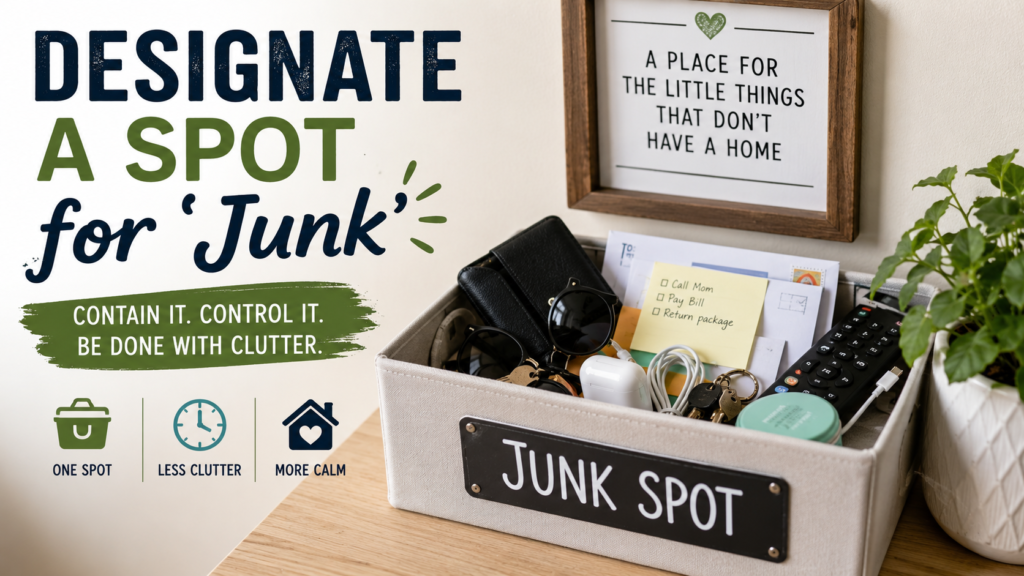
Every home needs one small space — a drawer, basket, or bin — where miscellaneous items can live instead of spreading across counters.
Use Magnetic Desk Organizers
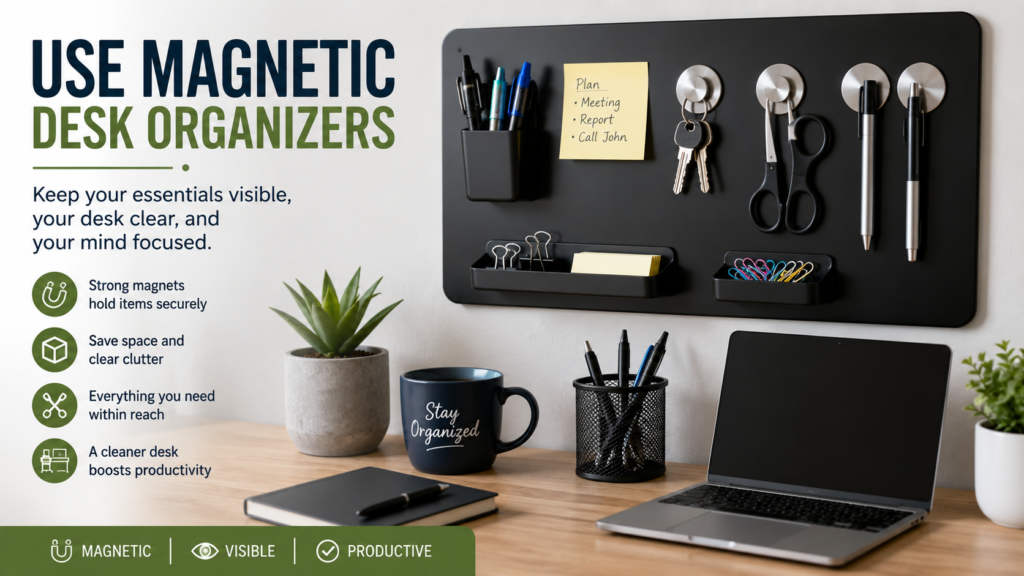
Magnetic strips and boards keep paperclips, scissors, and small office supplies off your desktop, freeing up drawer space and making tools easy to grab.
Designate a Donation Center

Keep a bag or bin in a closet for donation items. Drop items in as you find them, then donate once it’s full.
Hang Kids’ Artwork

Use a wire, clips, or a wall to display artwork instead of letting it pile up. Rotate pieces and photograph favorites before recycling.
Use Shower Curtain Rings to Hold Just About Everything
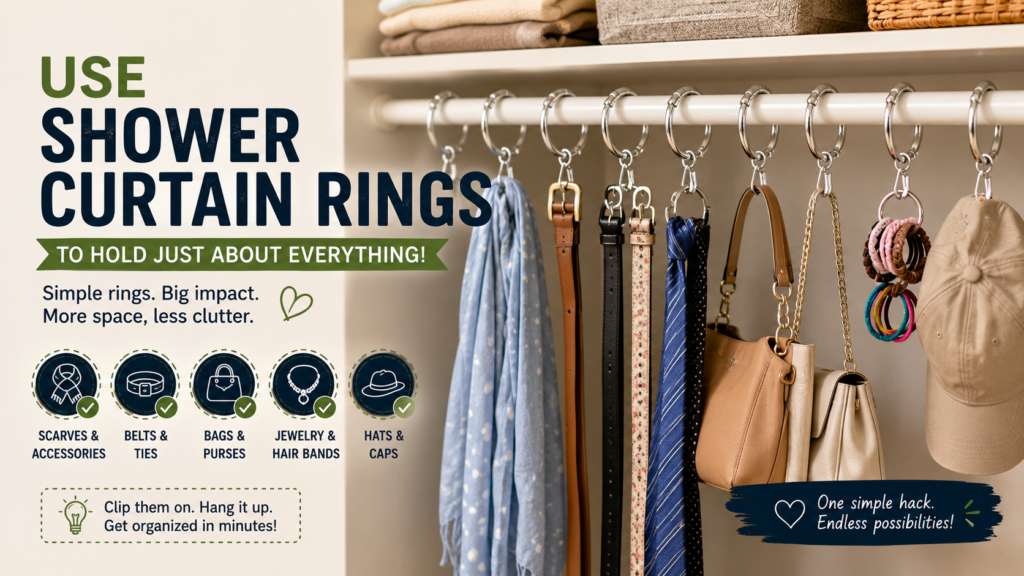
Clip shower curtain rings to a closet rod to hang scarves or accessories — an inexpensive way to add vertical storage.
Declutter Your Mudroom With Built-In Storage, Hooks, and Bins
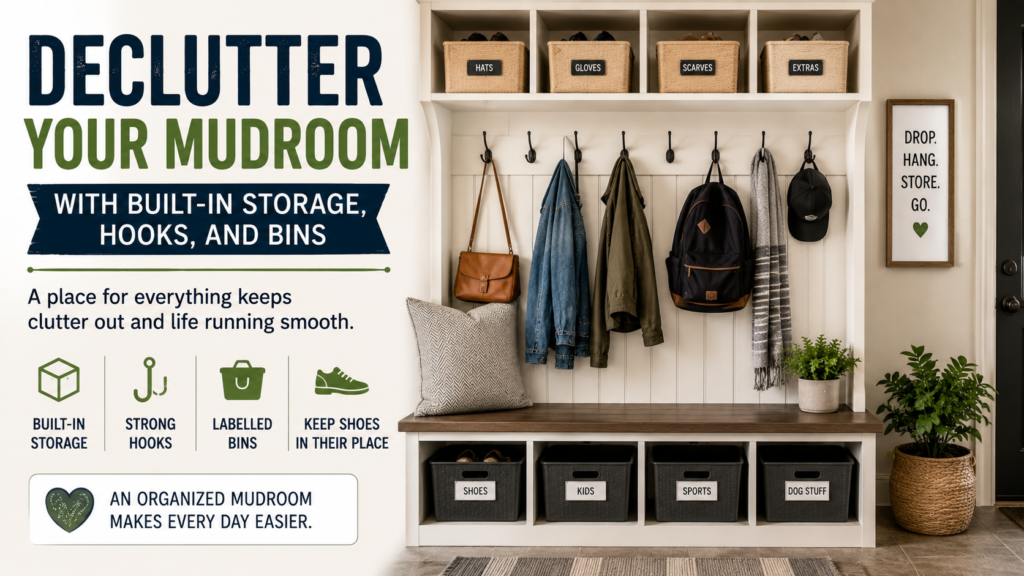
A mudroom stays tidy when every item — shoes, bags, coats — has an assigned hook or bin, stopping clutter from spreading into the house.
Be Prepared With Baskets
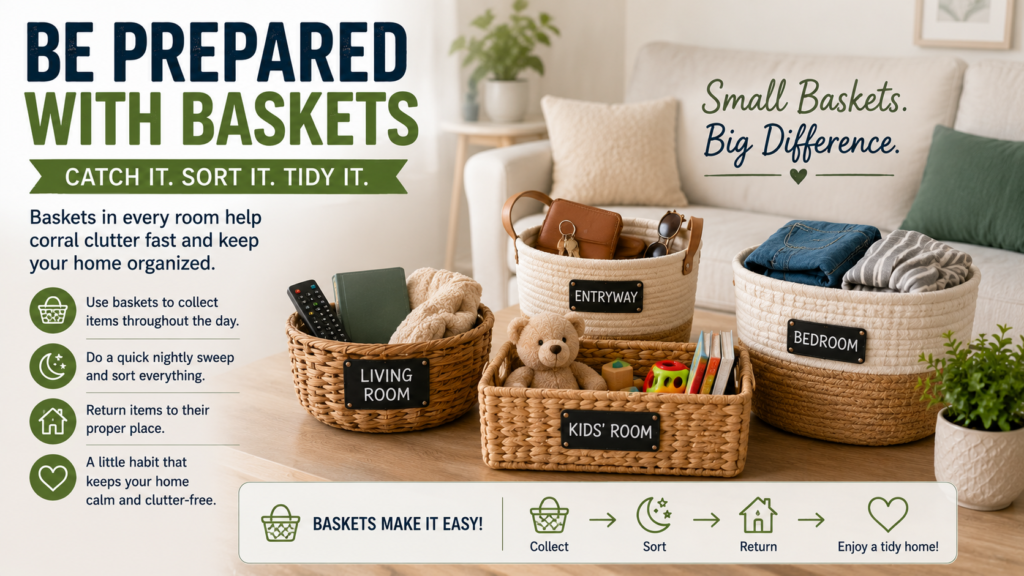
Keep baskets in every room to catch stray items throughout the day. At night, sweep through and return each basket’s contents to their proper home.
Create a Clutter Cabinet for Home Accessories
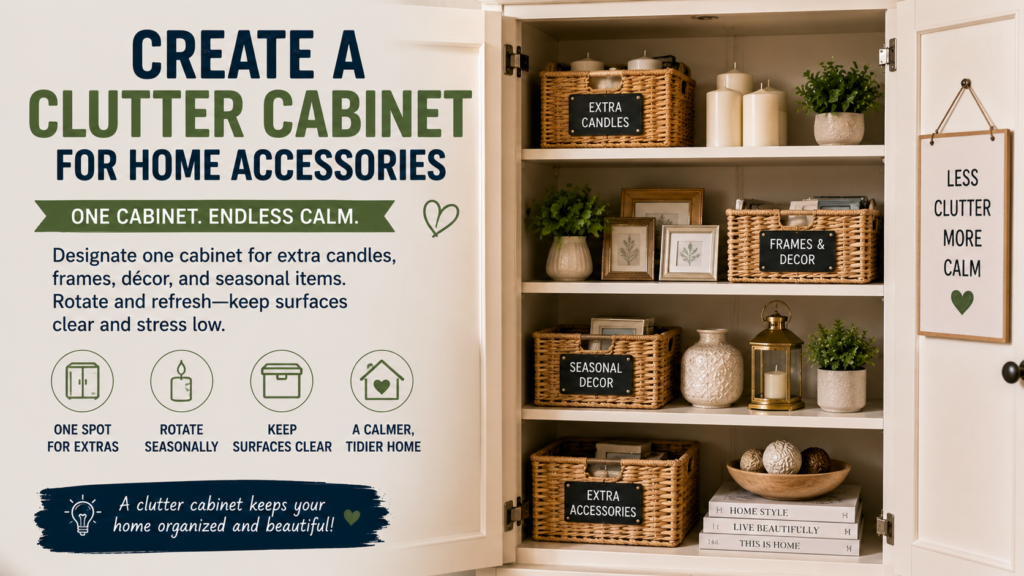
Set aside one cabinet or shelf for extra candles, frames, and décor you rotate seasonally, so accessories stay off other surfaces.
Have a System for Project Magazines
Use a labeled bin or binder for magazine clippings tied to active projects, and cycle out anything older than a few months.
Invest in a Shredder
A shredder makes it easy to dispose of sensitive documents the moment they arrive, preventing paper piles on counters.
Save Countertop Space
Store small appliances you use only occasionally in a cabinet instead of on the counter. Clear counters instantly make a kitchen feel cleaner.
Use Storage-Friendly Furniture
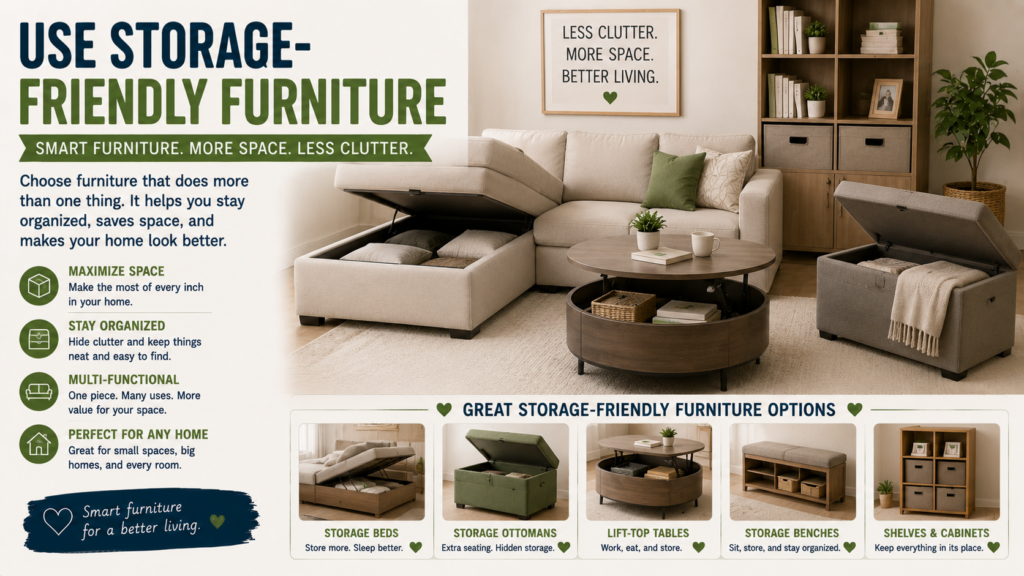
Ottomans and coffee tables with built-in storage give you hidden space for blankets, toys, or remotes.
Create Clutter Hub Spots
Set up one designated “hub” near the entryway for keys, mail, and bags, so clutter doesn’t spread across multiple surfaces in the house.
Set a Timer for 15 Minutes
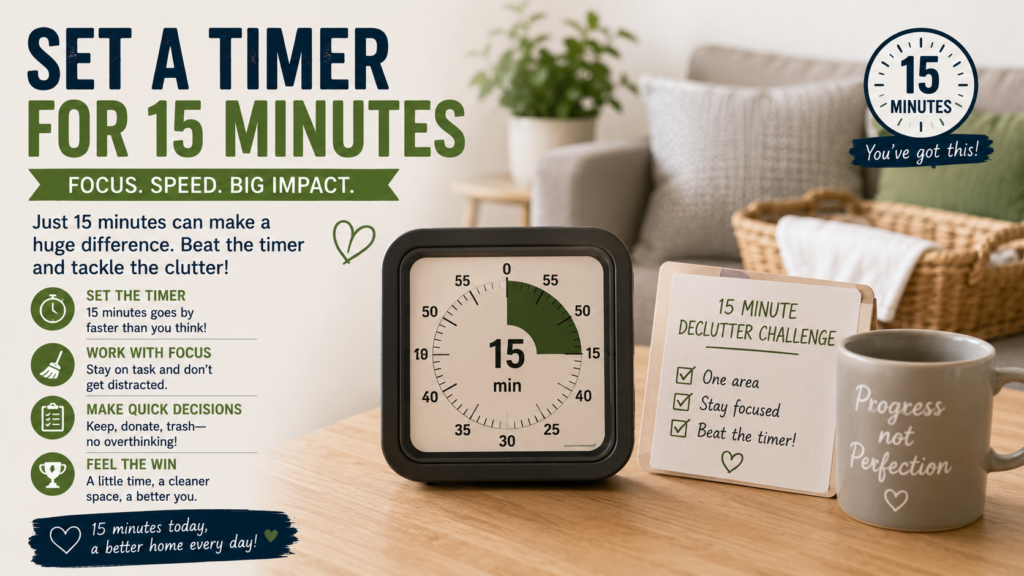
Short, focused sessions are less overwhelming than marathon cleaning days. Set a 15-minute timer and tackle one small area before moving on.
Treat Every Item in Your Home the Way You’d Treat a Fork
You’d never leave a fork on the coffee table — you’d put it away immediately. Apply that instinct to every item and clutter stops accumulating.
Use Your Smartphone
Snap photos of sentimental items, warranty info, or paint colors instead of keeping the physical object — a simple way to declutter without losing details.
Use Hanging Storage
Over-the-door organizers and hanging shelves make use of vertical space in closets, pantries, and bathrooms — the most underused storage in a home.
Get Familiar With the Box Method
Sort items into four boxes — keep, donate, trash, relocate — as you declutter each room to keep decisions fast.
Store Plastic Bags for Later Use
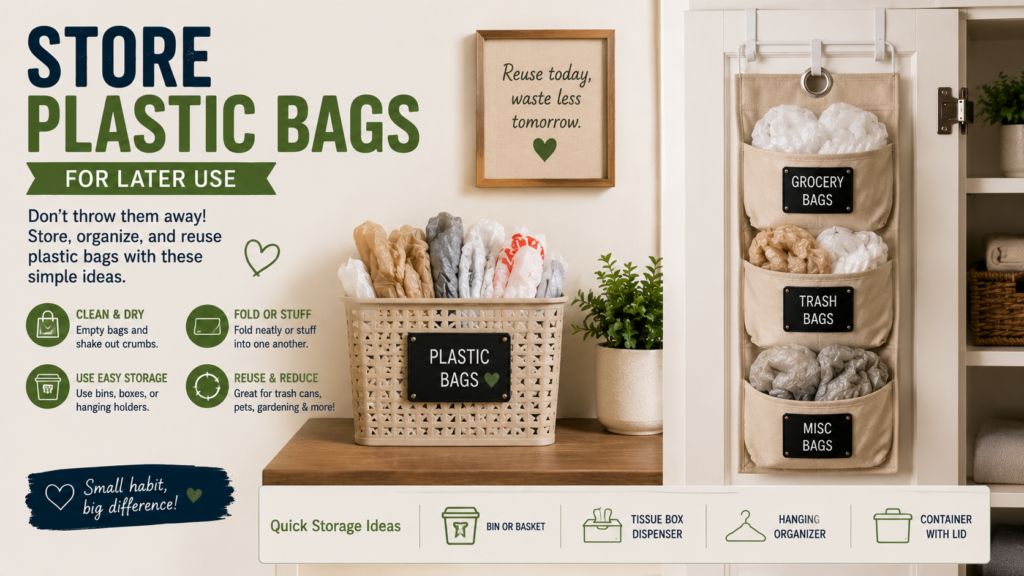
Keep a tissue box or small container specifically for plastic bags so they don’t accumulate loosely under the sink or in drawers.
Store Seasonally
Rotate out-of-season clothing, décor, and gear into labeled bins in storage areas, freeing up closet and living space year-round.
Use Baskets in the Linen Closet
Group linens, towels, or toiletries into baskets within the linen closet so everything is easy to find and replace.
Pare Down Your Clothing
Reassess your wardrobe regularly and remove items you haven’t worn in a year. A pared-down closet is easier to maintain.
Give Everyone’s Items a Space
Assign each family member their own bin, shelf, or hook for shoes and bags to reduce shared-space clutter.
Quickly Declutter a Bag
Empty your purse or bag weekly and remove receipts and wrappers so clutter doesn’t build up inside.
Control Your Email Clutter and Junk Mail
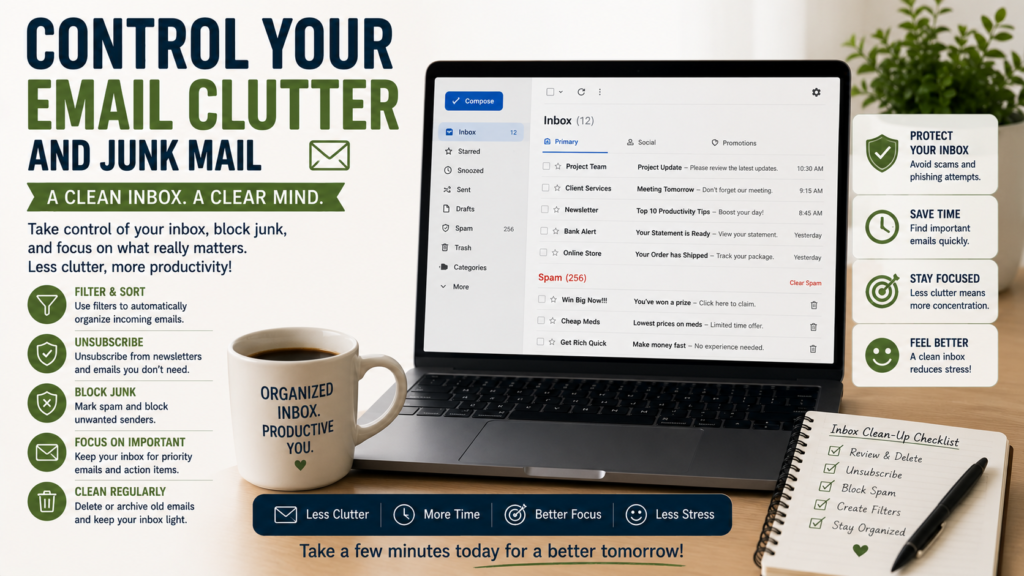
Unsubscribe from unwanted email lists and set up folders for important messages. Request removal from paper mailing lists too.
Don’t Neglect the Junk in Your Car
Keep a small trash bag and organizer in your car, and do a quick clean-out weekly so wrappers and papers don’t accumulate.
Use the 5 Things a Day Rule
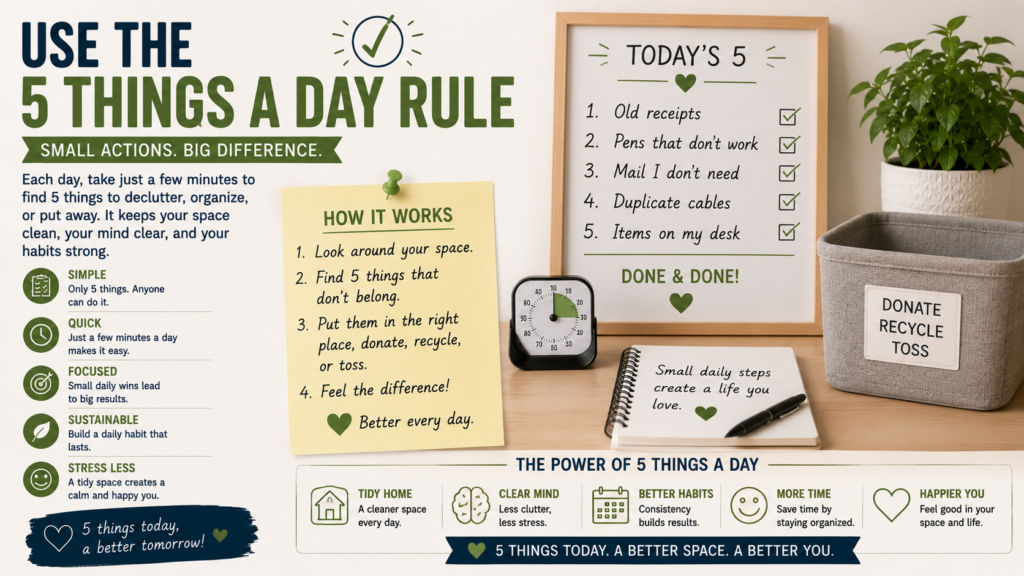
Commit to removing just five items from your home every day. Small, consistent actions add up to significant decluttering over time.
Fill One Bag a Week
Challenge yourself to fill one bag with donations, trash, or recycling every week. This steady pace keeps clutter from creeping back in.
Start Moving Prep Early
Begin decluttering room by room weeks before a move, so you only pack and pay to move what you want.
Check Food Expiration Dates
Check pantry and fridge items regularly for expired products. Removing them frees up space and keeps your kitchen safe.
Organize Recipes 10 Minutes at a Time
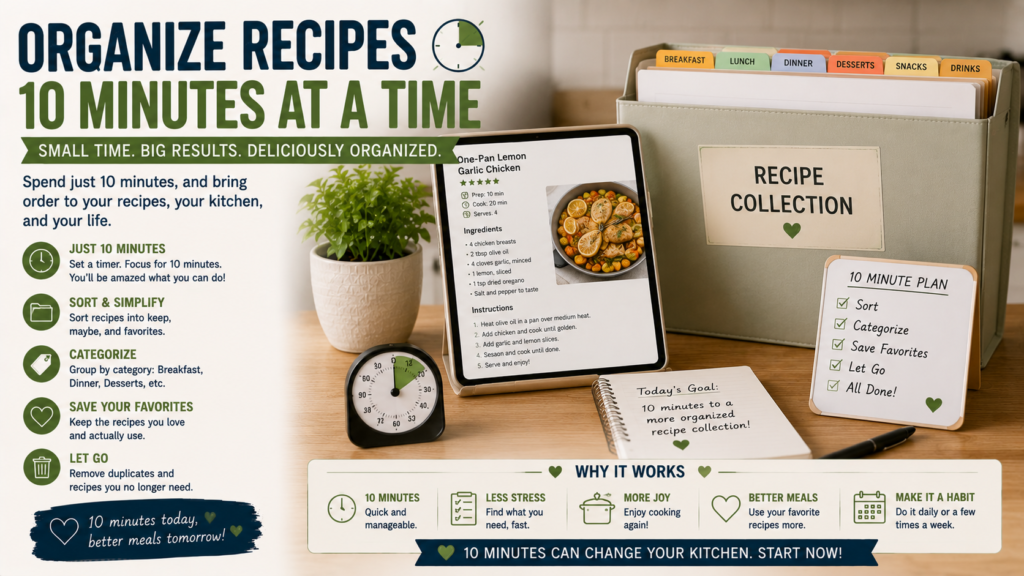
Sort recipe cards, clippings, and printouts into a binder or app in short 10-minute sessions instead of tackling the whole collection at once.
Use the Traveler’s Method
Pack and store items the way you would for a trip — only what’s essential and functional — to avoid overpacking closets and drawers.
Use a Scanner for Office Clutter
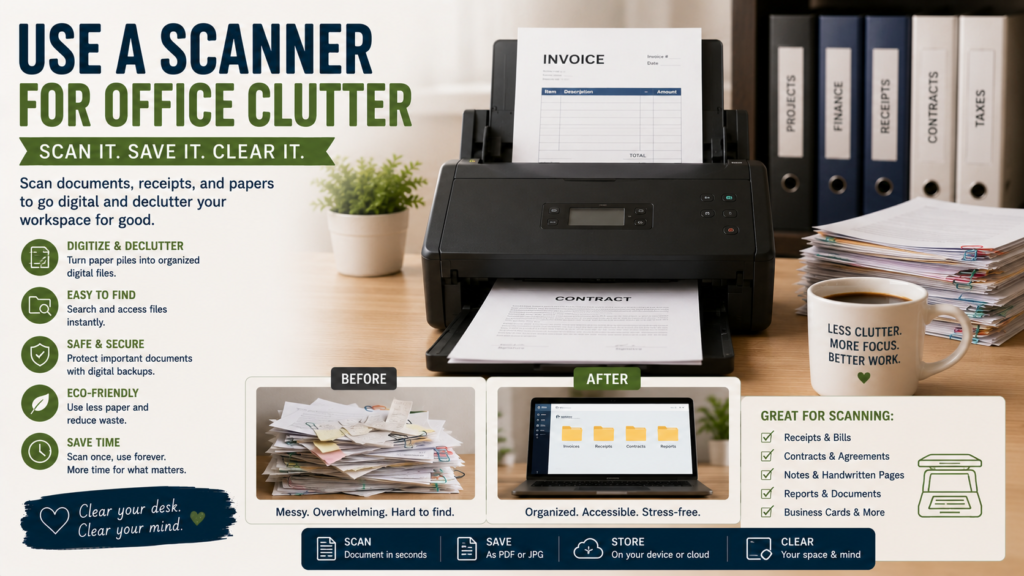
Digitize important documents with a scanner or scanning app, then shred the originals to cut filing clutter.
Declutter for the Holidays
Before decorations go up, remove broken ornaments and unused décor from last season to keep holiday storage manageable.
Designate Specific Areas for Toys
Assign bins or shelves for different toy categories so kids know where everything belongs and cleanup stays quick.
Use Pegboards to Organize Visually
Pegboards in garages, craft rooms, or kitchens keep tools visible and accessible while maximizing wall space instead of drawers.
Label Everything You Store
Labels remove the guesswork from putting things away. Tag bins, shelves, and drawers so everyone knows exactly where an item belongs.
Adopt the One-Touch Rule
Put an item where it belongs the first time you pick it up, instead of setting it down “for now.” This stops small piles from forming.
Corral Cords With Cable Clips
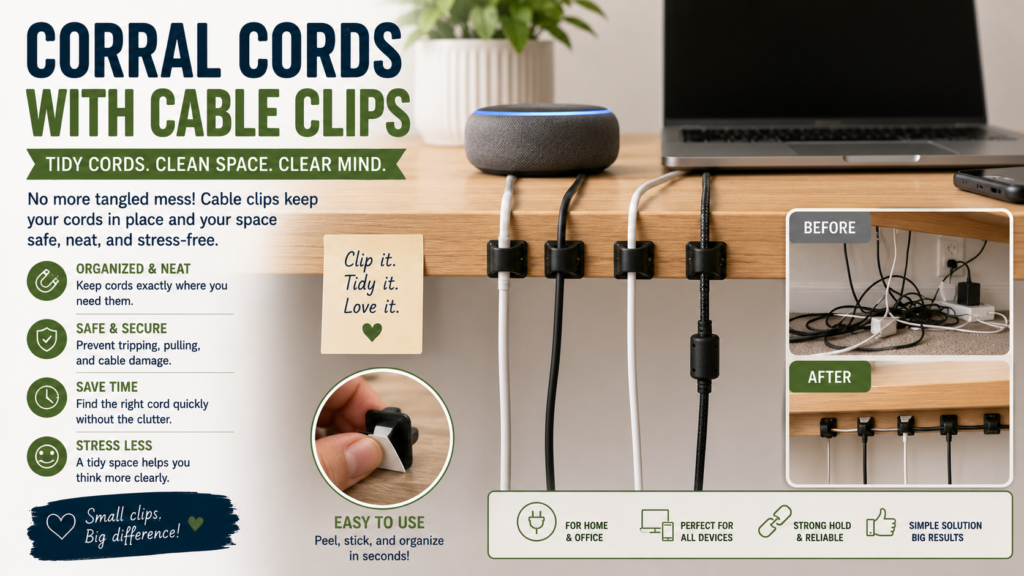
Loose cords and chargers create visual clutter on desks and counters. Adhesive cable clips or a cord box keep them bundled and out of sight.
Use Drawer Dividers Everywhere
Dividers aren’t just for kitchens. Add them to vanities, dressers, and office drawers so small items stay separated.
Set Up a Return-to-Store Box
Keep a box near the door for items that need returning or exchanging, so they don’t get buried in a closet.
Create a Charging Station
Designate one outlet or drawer as a charging spot for phones and tablets, keeping devices off counters and nightstands.
Use a Lazy Susan for Deep Cabinets
Deep cabinets hide clutter easily. A lazy Susan makes every item accessible with a spin, so nothing gets pushed to the back.
Keep a “Read and Release” Book Shelf

Set aside a small shelf for finished books you’re ready to pass along. Once it fills up, donate the stack before books take over your shelves.
Sort Mail the Moment It Arrives
Sort mail by the recycling bin into keep, action, and toss piles right away — a two-minute habit that stops paper clutter early.
Do a Nightly 10-Minute Reset
Spend 10 minutes before bed returning stray items to their homes and clearing flat surfaces. A tidy start makes the next day easier.
Quick-Reference: Hacks by Room
| Room | Best Hacks to Try |
|---|---|
| Kitchen | Countertop space, expiration dates, recipes, lazy Susan |
| Entryway/Mudroom | Built-in storage, hub spots, return box, sort mail early |
| Bedroom/Closet | Pare down clothing, store seasonally, hanging storage, dividers |
| Home Office | Magnetic organizers, shredder, scanner, cable clips, charging station |
| Kids’ Rooms | Toy storage, hang artwork, personal space, read-and-release shelf |
| Garage/Craft Room | Pegboards, storage furniture, donation center, labels |
Conclusion
These 46 cleaning and organizing hacks show that a tidy home doesn’t need big projects. Small habits, like giving every item a home or setting a 15-minute timer, make the biggest difference. Baskets, labels, and simple daily routines turn cluttered rooms into calm, functional spaces. Pick a few hacks that fit your life and build from there.
Clutter builds up slowly, so it helps to fix it the same way. Use these 46 cleaning and organizing hacks one room at a time, and let small wins add up. A clear counter, an organized closet, or a tidy car can change how your whole home feels. Consistency matters more than perfection. Start small, stay steady, and your space will stay clutter-free for good.
Frequently Asked Questions
What is the fastest way to declutter a room?
Set a 15-minute timer and remove five items that don’t belong. Short, focused sessions make quick, visible progress.
How do I stop clutter from coming back?
Give every item a designated “home” and use the one-in, one-out rule so new items replace old ones.
What’s the difference between cleaning and organizing?
Cleaning removes dirt and grime, while organizing arranges and stores items so they have a proper place. Decluttering should come first.
How often should I declutter my home?
Aim for small daily habits, like removing five items a day, plus a deeper seasonal declutter every three to four months.
What should I do with items I no longer need?
Sort them into donate, sell, or trash categories, and keep a donation bin ready year-round so items leave your home quickly.

Welcome to Urban Daily Times. My name is Malik Akmal, and I’m passionate about sharing practical home decor and home improvement ideas that help you create a better living space. With over 15 years of experience in home design, renovation trends, and product research, I focus on providing trustworthy advice that helps homeowners save money and choose the right solutions. Every product and recommendation featured on Urban Daily Times is carefully researched and reviewed to ensure you get honest, useful, and reliable information.


