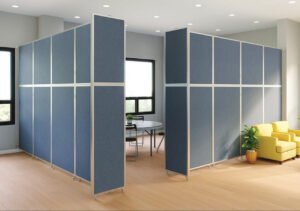
Choosing a room divider that matches your interior style can transform any space. It does more than just separate areas; it sets the tone, flow and harmony of your room. A well-matched divider can define open plans, studio apartments or multipurpose rooms, creating a balanced and visually pleasing environment. Whether you want a modern, rustic, bohemian or minimalist look, the right divider can enhance your décor while providing functionality. This guide helps you explore materials, colors, textures and shapes to find the perfect match for your home.
1. Understand Your Existing Interior Style
Before picking a divider, you must understand your current interior style. Each design style has defining features that make a room look cohesive. Modern interiors focus on simplicity, clean lines, and minimal clutter. Minimalist rooms embrace neutral colors, open spaces, and functional furniture. Industrial spaces favor exposed metals, raw textures, and earthy tones. Scandinavian interiors balance functionality and coziness with light colors and natural wood. Traditional rooms use classic patterns, rich textures, and antique elements. Bohemian and rustic homes often mix colors, textures, and handmade elements.
To identify your style, observe your colors, textures, lines, shapes, and materials. Make a note of the recurring patterns and finishes. For example, if your furniture is pale wood and the room feels airy, you likely have a Scandinavian or minimalist style. If metal fixtures dominate with darker tones, you might lean toward industrial. Understanding this helps ensure your room divider choice complements rather than clashes with the existing design.
2. Match Divider Materials to Your Design Language
Selecting the right material is crucial because it directly impacts how the divider integrates with the room. Wood dividers work best for rustic, Scandinavian, Japandi, or traditional spaces. They add warmth and a natural feel. Metal dividers suit industrial or modern interiors, offering durability and clean geometric lines. Glass or acrylic dividers are ideal for contemporary and minimalist homes because they maintain an open feel and reflect light, making small rooms appear larger.
Fabric or curtain dividers are versatile for romantic or relaxed interiors, creating softness and fluidity. Rattan, cane, or woven panels suit boho, coastal, and natural designs. These materials bring texture and visual interest while keeping the space light. Choosing the material with your interior style in mind ensures the divider does more than separate space—it enhances the room’s personality.
| Material | Best Styles | Features | Example Use |
| Wood | Rustic, Scandinavian | Warmth, natural, versatile | Reclaimed wood panels |
| Metal | Industrial, Modern | Sleek, strong, bold | Black grid partitions |
| Glass/Acrylic | Minimalist, Contemporary | Transparent, light, reflective | Sliding glass dividers |
| Fabric | Romantic, Relaxed | Soft, flowing, colorful | Curtain partitions |
| Rattan/Cane | Boho, Coastal | Textured, natural, airy | Woven screen |
3. Coordinate Color and Tone
Color alignment ensures your divider blends seamlessly with the room. Warm tones like beige, terracotta, or honey work well with rustic or traditional spaces. Cool tones such as grey, blue, or black suit modern and industrial interiors. Monochrome dividers create a subtle, cohesive effect, while contrasting colors make the divider a statement piece.
Consider how your divider relates to flooring, furniture, and trim. A pale timber divider complements light wood floors in Scandinavian designs, while a black metal divider emphasizes industrial loft elements. Always balance color to maintain visual harmony without overwhelming the room.
4. Choose a Shape and Form That Feels Cohesive
The shape and form of the divider influence how it fits into your space. Clean straight lines suit modern interiors, offering precision and minimalism. Curved silhouettes soften a room and complement romantic or eclectic styles. Geometric cutouts add interest to bold spaces, while simple panel dividers maintain a minimalist aesthetic.
Think about the visual flow. A divider should feel like an extension of your furniture and room structure. A well-proportioned divider creates a natural partition without breaking the visual rhythm of your décor.
5. Texture and Pattern Considerations
Texture enhances the divider’s presence. Smooth, sleek finishes are ideal for modern spaces. Matte and organic textures work with rustic or Scandinavian interiors. Intricate patterns complement eclectic or bohemian rooms, while subtle finishes suit calm, minimalist environments.
For instance, a rattan screen adds tactile interest in a boho bedroom, while a glossy glass panel enhances a contemporary living room. Patterns should enhance rather than dominate, creating balance between visual impact and functionality.
6. Match Function to Style
Room dividers can serve multiple purposes. Open shelving dividers offer storage while maintaining openness, perfect for modern or minimalist rooms. Folding screens are flexible and ideal for small spaces, letting you adjust layouts as needed. Sliding panels work well in sleek modern designs, creating clean separation. Fixed partitions provide stability and a custom look for traditional interiors.
Your divider should align with both style and function, ensuring it enhances décor while serving practical needs like privacy, storage, or space definition.
7. Consider Light Flow Based on Style
Light flow is key to room comfort. Transparent dividers maintain an airy feel in minimalist spaces. Semi-opaque dividers create warmth and coziness, ideal for rustic or bohemian interiors. Solid dividers work in traditional layouts to block light and define private areas.
Choosing the right transparency level ensures the room feels balanced, not crowded. For instance, a glass divider in a studio apartment maintains openness, while a solid wood panel in a dining area defines a formal space.
8. Scale and Proportion
Scale affects how a divider feels in a room. Taller dividers suit high ceilings, while shorter ones prevent overwhelming small spaces. Width should align with furniture and open areas. Visual weight matters; a heavy divider in a small room can feel clumsy. Balance is key.
9. Style Examples and Pairing Guides
Pairing examples help visualize choices:
A modern room looks elegant with a glass divider featuring a black grid. Rustic living rooms gain character with reclaimed wood panels. Boho bedrooms shine with woven rattan screens. Scandinavian spaces benefit from pale timber slats that match light furniture. Industrial lofts look bold with steel frame partitions.
| Room Style | Divider Material | Key Feature |
| Modern | Glass with black grid | Sleek, transparent |
| Rustic | Reclaimed wood panel | Warm, textured |
| Boho | Woven rattan screen | Light, natural |
| Scandinavian | Pale timber slats | Minimal, airy |
| Industrial | Steel frame partition | Bold, geometric |
10. Budget and Style Balance
Budget impacts material and customization. Low-cost dividers like fabric panels or simple wooden screens offer style on a budget. Mid-range options include metal or glass dividers with some customization. High-end designer dividers are fully tailored to match your interior style.
11. Small Space Considerations
Small spaces need careful planning. Avoid heavy visual blockers that make rooms feel cramped. Reflective surfaces or slim profiles maintain openness. Folding screens or sliding panels optimize flexibility while enhancing style.
12. Final Selection Checklist
Ask yourself: Does the divider match the room’s style? Does it complement colors, textures, and materials? Does it balance function, light flow, and scale? A quick yes/no approach simplifies decision-making, ensuring you select a divider that elevates the space.
Conclusion
Choosing a room divider that matches your interior style transforms your home instantly. It balances functionality and décor, defines spaces, and enhances mood. By considering material, color, shape, and scale, you ensure the divider blends seamlessly. Thoughtful selection elevates any room, making interiors feel intentional and harmonious. Don’t rush—choose a divider that speaks to your style and adds lasting elegance.
FAQs
1. What material is best for small rooms?
Glass, acrylic, or slim timber dividers keep rooms airy and spacious.
2. Can a room divider match any style?
Yes, by choosing complementary materials, colors, and shapes.
3. Are folding screens functional?
Yes, they provide flexibility, privacy, and easy storage in multipurpose spaces.
4. How do I balance color and tone?
Match divider colors with flooring, furniture, or trim for harmony, or use contrast for impact.
5. Can room dividers improve lighting?
Yes, transparent or reflective dividers enhance natural light while solid panels create cozy zones.
Last updated 08/04/2026

Welcome to Urban Daily Times. My name is Malik Akmal, and I’m passionate about sharing practical home decor and home improvement ideas that help you create a better living space. With over 15 years of experience in home design, renovation trends, and product research, I focus on providing trustworthy advice that helps homeowners save money and choose the right solutions. Every product and recommendation featured on Urban Daily Times is carefully researched and reviewed to ensure you get honest, useful, and reliable information.


