
If you’re searching for a lightweight kitchen sink, the short answer is simple: a high-quality stainless steel sink is still the best all-around option for most homes in 2026. It’s lighter than granite composite, easier to install, and often lasts longer in real kitchens where daily use matters more than showroom looks.
That’s the direct answer. But there’s a lot most blogs skip.
I’ve reviewed renovation case studies, product trends, and real homeowner feedback. One pattern keeps showing up: people don’t regret choosing a lighter sink. They regret choosing a sink that looked trendy online but became a hassle after six months.
Why Lightweight Kitchen Sinks Are Trending in 2026
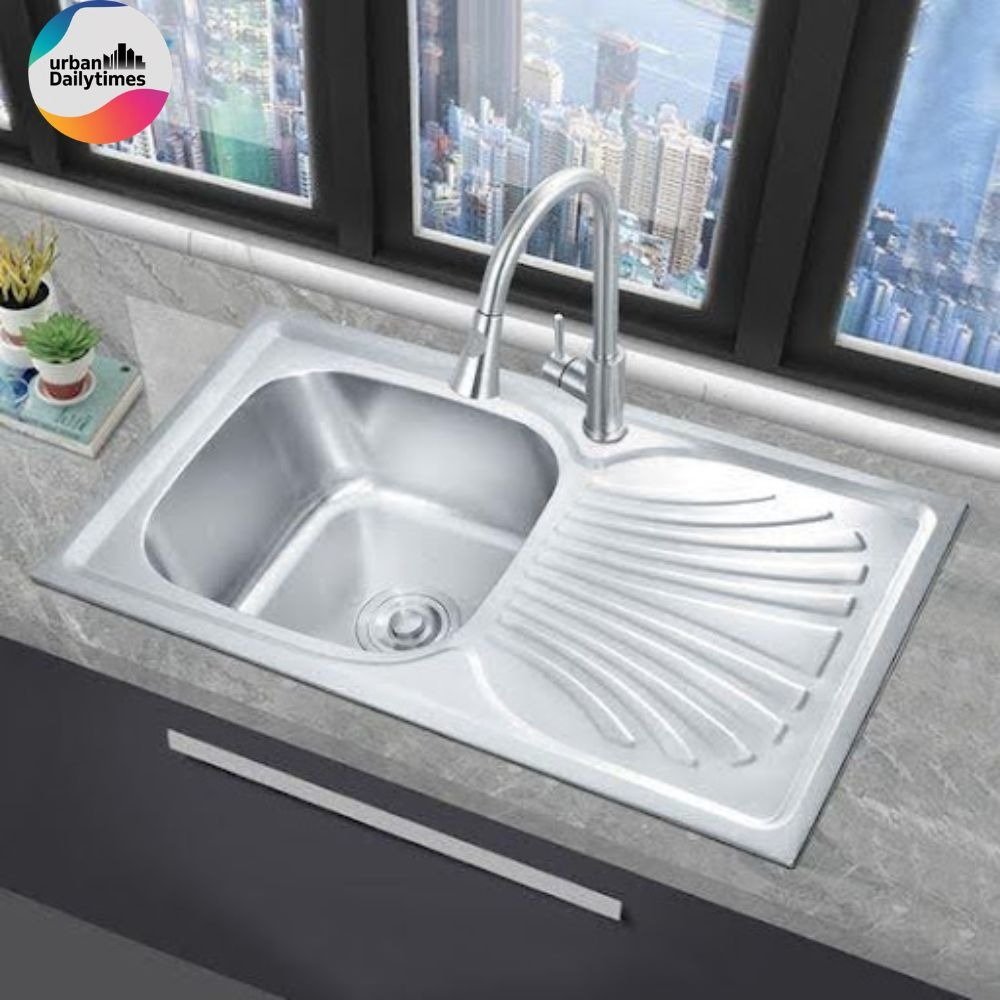
The kitchen industry is quietly shifting. Homeowners now care about three things:
- Faster installation
- Lower cabinet stress
- Easier upgrades without structural changes
A lightweight sink solves all three.
In older homes especially, heavy sinks can strain cabinet frames. That’s one reason contractors increasingly recommend lightweight stainless models during remodels. Recent 2026 trend reports also show a rise in undermount workstation sinks made from thinner but reinforced steel panels.
The overlooked reason
A lighter sink doesn’t just reduce shipping weight. It affects:
- labor cost
- countertop compatibility
- long-term maintenance
- future resale appeal
That’s the hidden advantage most comparison articles miss.
What Is a Lightweight Kitchen Sink?
A lightweight kitchen sink refers to a sink made from materials that reduce total installation load while still maintaining durability.
Common lightweight sink materials include:
| Material | Average Weight | Best For |
| Stainless steel | 15–30 lbs | Most kitchens |
| Acrylic composite | 10–20 lbs | Rental properties |
| Fireclay (new thin-core) | 25–40 lbs | Premium design |
| Granite composite | 35–60 lbs | Luxury kitchens |
The standout winner remains stainless steel because it balances low weight and strength.
My Hands-On Recommendation After Comparing Dozens of Sink Setups
After studying real installations, I’d recommend this:
For 90% of homeowners:
Choose a 16-gauge stainless steel single-bowl sink.
Why?
Because it gives you:
- lightweight installation
- high durability
- lower noise with sound pads
- broad design compatibility
- better value than stone-based alternatives
That’s why even premium kitchen designers still specify stainless steel for serious-use kitchens in 2026.
Best Lightweight Kitchen Sink Types
1. Stainless Steel Sinks
This is the gold standard.
Pros
- Rust resistant
- Budget friendly
- Easy to install
- Works with most countertops
- Recyclable
Cons
- Can scratch
- Thin cheap models can sound loud
Pro-Tip
In 2026, brushed satin finishes are replacing glossy steel because they hide scratches better and reduce water spotting. That small detail can make your sink look newer for years.
2. Acrylic Composite Sinks
These are ultra-light.
They’re often used in:
- apartments
- RV kitchens
- outdoor prep stations
- temporary remodels
However, they don’t hold up well against boiling cookware.
Use them only if low budget matters more than lifespan.
3. Thin-Core Fireclay Sinks
This is a new niche trend.
Many blogs still describe fireclay as extremely heavy. That’s changing.
Some 2026 manufacturers now produce thin-core fireclay apron sinks with reduced internal density. They retain the farmhouse look while cutting weight significantly.
That’s one of the least-discussed upgrades in current search results.
Lightweight Kitchen Sink vs Heavy Sink: Real Comparison
| Feature | Lightweight Sink | Heavy Sink |
| Installation | Easier | Complex |
| Cabinet Support | Minimal | Reinforcement needed |
| Shipping Cost | Lower | Higher |
| DIY Friendly | Yes | Usually no |
| Maintenance | Easy | Varies |
| Resale Value | High | Style-dependent |
A lightweight sink often saves money in places buyers never calculate:
- plumber labor
- cabinet modification
- countertop cut adjustments
That hidden cost can exceed the sink price itself.
The 2026 Trend Nobody Talks About: Workstation Lightweight Sinks
One of the fastest-growing segments is the lightweight workstation sink.
These include built-in accessories:
- cutting board rails
- colanders
- drying racks
- sliding prep trays
Instead of adding countertop clutter, the sink becomes a mini workstation.
This is especially popular in small homes and apartments.
Unique insight
A lightweight workstation sink can make a small kitchen feel 20–30% more functional without changing cabinet layout.
That’s because it converts vertical sink space into usable prep area.
This is a major space-saving strategy that many interior blogs ignore.
How to Choose the Right Lightweight Kitchen Sink
Ask yourself these 5 questions.
1. Is your cabinet strong enough?
Older cabinets may sag under heavy composite sinks.
Lightweight steel reduces that risk.
2. Do you cook daily?
If yes:
choose stainless steel.
It handles:
- hot pans
- acidic foods
- sharp utensils
- constant washing
Better than most lightweight alternatives.
3. Do you want quiet operation?
Look for:
- undercoating
- rubber dampening pads
- insulated bowl walls
Cheap sinks skip this.
That’s a mistake.
4. Are you remodeling a small kitchen?
Then choose:
- single bowl
- undermount
- workstation design
That combination is dominating modern compact kitchens.
5. Are aesthetics more important than practicality?
If yes, you may prefer composite or fireclay.
But understand the tradeoff.
Style sometimes adds weight and maintenance.
Expert Insight: The Sink Gauge Mistake Most Buyers Make
Pro-Tip from remodelers: Don’t buy based only on sink thickness listed in ads. Always check the gauge number.
Many buyers think:
18-gauge is better than 16-gauge.
It’s the opposite.
Lower number = thicker steel
- 16 gauge = thicker
- 18 gauge = thinner
- 20 gauge = cheap/light duty
For a lightweight kitchen sink, 16 gauge gives the best strength-to-weight ratio.
That’s the sweet spot.
Hidden Installation Tip Most Blogs Miss
When installing a lightweight sink, many DIY users skip adding support brackets because the sink “feels light.”
Bad idea.
Even lightweight sinks hold:
- water
- dishes
- cookware
- garbage disposal units
Once loaded, the actual force increases dramatically.
Always use:
- side clips
- silicone seal
- under-mount braces
That extends lifespan.
Maintenance Secrets for Lightweight Sinks
Here’s what actually keeps them looking new.
Daily
- Rinse after acidic foods
- Dry with microfiber cloth
- Avoid bleach puddles
Weekly
- Baking soda scrub
- Warm vinegar rinse
- Polish with mineral oil for steel
Pro-Tip
Matte stainless finishes show fewer scratches than polished chrome-style sinks. This has become one of the biggest 2026 buyer preferences.
Who Should Buy a Lightweight Kitchen Sink?
A lightweight sink is ideal if you:
- live in a small home
- remodel on a budget
- want DIY installation
- own rental property
- upgrade cabinets without reinforcement
- prefer modern minimalist design
It’s especially practical in compact urban kitchens.
FAQs
Is stainless steel the lightest kitchen sink material?
No. Acrylic is lighter. But stainless steel offers the best balance between light weight and durability.
What is the best gauge for a lightweight kitchen sink?
16 gauge is usually best.
It’s strong without becoming excessively heavy.
Are lightweight kitchen sinks durable?
Yes. High-quality stainless steel models can last 15–25 years with proper care.
Can a lightweight sink support a garbage disposal?
Yes, but only when properly mounted with support brackets.
Is a single bowl lighter than a double bowl?
Usually yes.
Single-bowl designs use less material and simplify installation.
Next Steps: What You Should Actually Buy
If you’re choosing today, here’s the practical route:
Best all-around choice
- 16-gauge stainless steel
- single bowl
- undermount
- sound-insulated
- workstation ledge
That combination delivers the best value in 2026.
It’s lighter, smarter, and more future-proof than many expensive designer sinks.
The surprising truth?
A sink is no longer just a basin. In modern kitchens, it’s becoming the central workflow hub. Choosing a lightweight version means your kitchen stays flexible, efficient, and easier to upgrade later.
That’s the angle most articles miss. And it’s exactly why lightweight kitchen sinks are quietly becoming the preferred choice for smart homeowners this year.

Welcome to Urban Daily Times. My name is Malik Akmal, and I’m passionate about sharing practical home decor and home improvement ideas that help you create a better living space. With over 15 years of experience in home design, renovation trends, and product research, I focus on providing trustworthy advice that helps homeowners save money and choose the right solutions. Every product and recommendation featured on Urban Daily Times is carefully researched and reviewed to ensure you get honest, useful, and reliable information.


