
When people shop for a sofa bed, they often see the term sleeper sofa used interchangeably. Retailers, furniture brands, and online stores frequently mix the terms, which confuses buyers trying to choose the right piece for their home.
The truth is simple: every sleeper sofa is a sofa bed, but not every sofa bed is a sleeper sofa.
Understanding this distinction helps you choose the right furniture for your needs, whether you’re furnishing a small apartment, creating a guest room, or maximizing space in a studio. This guide explains sofa bed vs sleeper sofa differences, comfort factors, mechanisms, pros and cons, and how to choose the best option.
What Is a Sofa Bed?
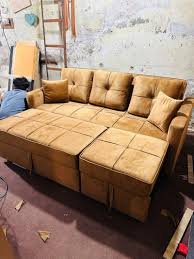
A sofa bed is a multifunctional sofa that converts into a sleeping surface. The conversion typically happens by folding, reclining, or flattening the seat and backrest.
Instead of hiding a mattress inside the frame, the cushions themselves become the sleeping area.
Common Sofa Bed Mechanisms
Most sofa beds use simple mechanisms:
- Click-clack design – the backrest clicks backward into a flat position.
- Futon style – the frame folds down to create a bed platform.
- Split-back sofa – individual seat sections recline separately.
- Convertible sectional – the chaise or seating expands into a bed surface.
Key Characteristics of Sofa Beds
- Lightweight compared with sleeper sofas
- Quick and simple conversion mechanism
- Often more affordable
- Ideal for small apartments or studios
- The sleeping surface is usually the sofa cushions
Because the cushion becomes the bed, comfort depends heavily on foam density and cushion thickness.
What Is a Sleeper Sofa?
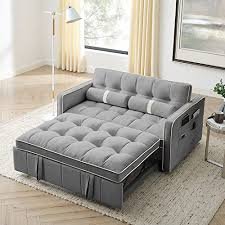
A sleeper sofa is a specialized type of sofa bed that includes a hidden mattress and pull-out bed frame inside the sofa.
When opened, the seat cushions lift up, and a metal or wooden frame unfolds, revealing the mattress.
Components of a Sleeper Sofa
A typical sleeper sofa contains:
- Foldable metal or hardwood frame
- Pull-out mechanism with hinges and rails
- Mattress (memory foam, innerspring, or hybrid)
- Reinforced sofa frame to support the mechanism
Key Characteristics of Sleeper Sofas
- A hidden mattress provides a true bed surface
- Usually heavier and more durable
- Requires more space to open fully
- Often more expensive than basic sofa beds
- Better suited for frequent overnight guests
Because sleeper sofas contain a real mattress, they generally provide better spinal support for extended sleeping.
Ultimate Guide to Space Saving Furniture for Small Homes
Sofa Bed vs Sleeper Sofa:
Understanding the structural differences helps determine which option fits your needs.
1. Conversion Mechanism
Sofa Bed
- Backrest folds down or seat extends
- Simpler mechanical design
- Faster to convert
Sleeper Sofa
- The hidden mattress unfolds from inside the frame
- Requires lifting cushions and pulling the frame outward
- More complex mechanism
2. Comfort Level
Comfort varies significantly depending on materials and construction.
Sofa Beds
- Sleeping surface = sofa cushions
- May have seams or uneven support
- Suitable for occasional use
Sleeper Sofas
- Dedicated mattress
- More consistent sleeping surface
- Better for frequent overnight guests
Higher-quality sleeper sofas often include memory foam mattresses, which improve pressure relief and reduce the traditional “metal bar” feeling.
3. Space Requirements
Furniture size matters more than most buyers realize.
Sofa beds require space behind or in front, depending on design.
Sleeper sofas require enough space for the mattress to fully extend.
For example:
- A queen sleeper sofa usually needs 80–90 inches of clearance when open.
Always measure your room and walkways before purchasing.
4. Weight and Mobility
Sofa beds
- Usually lighter
- Easier to move
- Ideal for renters or frequent movers
Sleeper sofas
- Significantly heavier
- Harder to move upstairs or through narrow doors
- Better suited for permanent setups
5. Price Range
Pricing depends on brand, upholstery, and frame quality.
Typical price ranges:
Sofa bed:
$200 – $900
Sleeper sofa:
$600 – $2500+
Higher prices usually reflect better mattress quality and stronger frames.
Modern Home Décor: A Complete Guide to Stylish, Livable Spaces
Types of Sofa Beds and Sleeper Sofas
Furniture retailers categorize these products into several types.
Futon Sofa Beds
- Traditional folding mattress design
- Budget-friendly
- Lightweight
- Often used in student housing
Click-Clack Sofa Beds
- Backrest clicks into multiple positions
- Quick transformation
- Popular for small apartments
Pull-Out Sleeper Sofas
- Hidden mattress inside frame
- Available in twin, full, and queen sizes
- Ideal for regular guests
Sectional Sleeper Sofas
- L-shaped sofa with hidden bed
- Sometimes includes a storage chaise
- Perfect for family living rooms
Daybeds with Trundles
- Looks like a sofa but functions as a bed
- Second mattress stored underneath
- Great for guest rooms
Benefits of Sofa Beds
Sofa beds offer practical advantages for modern homes.
Space Saving
One piece of furniture serves as both seating and sleeping space.
Affordable
Usually cheaper than sleeper sofas or Murphy beds.
Easy to Use
Most fold down in seconds.
Lightweight
Easier to move when rearranging furniture.
Benefits of Sleeper Sofas
Sleeper sofas provide a more bed-like experience.
Better Sleeping Comfort
A dedicated mattress provides better spinal alignment.
Ideal for Guests
Guests feel like they’re sleeping in an actual bed.
Larger Sleeping Options
Queen sleeper sofas allow two adults to sleep comfortably.
Durable Construction
Quality sleeper sofas often include reinforced frames.
Challenges and Limitations
Even the best convertible furniture has drawbacks.
Sofa Bed Limitations
- Cushion seams may reduce comfort
- Limited support for extended sleeping
- Foam may compress over time
Sleeper Sofa Limitations
- Heavy and difficult to move
- More expensive
- Mechanical parts may require maintenance
Understanding these trade-offs helps prevent buyer regret.
Best Practices When Buying a Sofa Bed or Sleeper Sofa
Use this simple evaluation framework before purchasing.
Step 1: Define Sleeping Frequency
Occasional guests → sofa bed works well
Weekly guests → sleeper sofa is better
Daily sleeping → consider a real bed
Step 2: Measure Your Space
Measure three things:
- Sofa footprint
- Fully opened bed size
- Doorway and hallway clearance
This prevents delivery problems.
Step 3: Check Mattress Quality (for sleeper sofas)
Look for:
- Memory foam or hybrid mattress
- Minimum thickness of 4–5 inches
- Breathable fabric covers
Thin mattresses cause pressure points.
Step 4: Test the Mechanism
Open and close the bed several times.
Check for:
- Smooth movement
- Strong frame support
- No squeaking sounds
- Proper alignment when closed
Common Buying Mistakes
Many buyers regret purchases because of these avoidable mistakes.
- Buying based only on appearance
- Ignoring mattress thickness
- Forgetting to measure room clearance
- Choosing style over support
- Assuming all sofa beds are comfortable
A beautiful couch that nobody wants to sleep on defeats the purpose.
Maintenance Tips for Longevity
Convertible furniture lasts longer with basic maintenance.
- Tighten screws every few months
- Clean upholstery regularly
- Avoid jumping or sudden pressure
- Use mattress toppers for sleeper sofas
- Rotate mattresses when possible
Simple care can extend lifespan by several years.
Future Trends in Convertible Furniture
The sofa bed category continues evolving.
Modular Furniture
Replaceable components and modular sleeper sections are becoming more common.
Thinner Mattress Technology
New foam technologies allow thinner mattresses without sacrificing comfort.
Smart Space Furniture
Urban housing trends are driving demand for multifunctional furniture.
Performance Fabrics
Stain-resistant and pet-friendly fabrics are becoming standard.
These innovations make modern sofa beds far more comfortable than older designs.
Conclusion
Choosing between a sofa bed and a sleeper sofa depends on how often the bed will be used and how much space you have available.
If you need a simple, affordable solution for occasional guests, a sofa bed is practical and space-efficient.
If you want better sleep quality and frequent overnight use, a sleeper sofa with a high-quality mattress is the smarter investment.
Instead of focusing on labels, evaluate the mechanism, mattress quality, frame durability, and room measurements before buying.
Frequently Asked Questions
Is a sofa bed the same as a sleeper sofa?
No. A sleeper sofa is a specific type of sofa bed that includes a hidden pull-out mattress inside the couch frame. Sofa beds often convert by folding the cushions flat, while sleeper sofas contain a separate mattress for a more traditional sleeping surface.
Which is more comfortable for sleeping?
Sleeper sofas are usually more comfortable for overnight sleeping because they include a real mattress. Sofa beds rely on cushions for support, which may create seams or uneven pressure points during sleep.
Can you sleep on a sofa bed every night?
Sleeping on a sofa bed every night is possible, but it depends on cushion thickness and frame quality. For long-term daily use, a sleeper sofa with a high-density foam or memory foam mattress typically provides better support and durability.
How long do sleeper sofas last?
A good quality sleeper sofa can last 7–15 years, depending on frame construction, mattress quality, and usage frequency. Hardwood frames, reinforced joints, and thicker mattresses tend to last significantly longer than cheaper models.
What size sleeper sofa should I buy?
Sleeper sofas come in multiple sizes:
Twin – best for small spaces
Full – good for one adult
Queen – best for couples or frequent guests
Choose a size based on available room space and how many people will use the bed.

Welcome to Urban Daily Times. My name is Malik Akmal, and I’m passionate about sharing practical home decor and home improvement ideas that help you create a better living space. With over 15 years of experience in home design, renovation trends, and product research, I focus on providing trustworthy advice that helps homeowners save money and choose the right solutions. Every product and recommendation featured on Urban Daily Times is carefully researched and reviewed to ensure you get honest, useful, and reliable information.


